
The Unique Ecosystems of Udzungwa National Park
One of the most fascinating aspects of Udzungwa National Park is the incredible diversity of ecosystems found within its boundaries. As visitors ascend through the mountains, they pass through several distinct ecological zones, each supporting different plant and animal communities.
The lower elevations are characterized by tropical rainforest, where towering trees create a dense canopy that filters sunlight into soft green shades below. Massive mahogany trees, giant figs, and ancient hardwoods dominate the landscape. Thick vines hang from branches, while mosses and ferns thrive in the humid conditions.
At higher elevations, the rainforest gradually transitions into montane forest. Temperatures become cooler, mist frequently drifts through the trees, and the vegetation takes on a mystical appearance. These cloud forests are among the most important habitats in the Eastern Arc Mountains and serve as critical water catchment areas for surrounding communities.
Above the montane forests, visitors encounter grasslands, bamboo zones, and rocky mountain ridges that offer spectacular panoramic views of the surrounding valleys. This dramatic variation in habitats over relatively short distances is one of the primary reasons Udzungwa supports such exceptional biodiversity.
The park is also a crucial watershed for southern Tanzania. Numerous rivers originate within the mountains and flow into the fertile Kilombero Valley, providing water for agriculture, wildlife, and human settlements. Protecting Udzungwa therefore has significance far beyond its boundaries, influencing the livelihoods of thousands of people.

A Paradise for Botanists and Nature Lovers
While many visitors come to Udzungwa hoping to see wildlife, the park’s plant diversity is equally impressive. Scientists have documented thousands of plant species within the Eastern Arc Mountains, many of which are endemic to the region.
Walking through the forest feels like entering a living botanical garden. Enormous tree ferns, orchids, wild ginger, and countless flowering plants line the trails. During certain seasons, the forest bursts into color as blooms attract birds, butterflies, and insects.
Researchers continue to discover new plant species in Udzungwa, highlighting how much remains unknown about this extraordinary ecosystem. For nature enthusiasts, every hike offers opportunities to observe rare vegetation that exists nowhere else on Earth.
The forests also play an important role in combating climate change by storing vast amounts of carbon and regulating local weather patterns. Their conservation is increasingly recognized as essential for both biodiversity and environmental stability.
Butterflies, Reptiles, and Amphibians
Udzungwa’s biodiversity extends far beyond mammals and birds. The park is home to an astonishing variety of butterflies, reptiles, and amphibians, many of which are endemic to the Eastern Arc Mountains.
More than 250 butterfly species have been recorded in the region. Brightly colored butterflies frequently accompany hikers along forest trails, adding vibrant flashes of blue, orange, yellow, and black to the green rainforest backdrop.
The park also supports numerous species of chameleons, geckos, skinks, and snakes. Some of these reptiles are found nowhere else in the world, making Udzungwa a significant destination for herpetologists and wildlife researchers.
Amphibians thrive in the moist forest environment. Frogs inhabit streams, wetlands, and forest floors, often revealing their presence through distinctive calls during the rainy season. Several species have been discovered only within the Udzungwa Mountains, emphasizing the park’s importance as a center of endemism.
The Sanje Waterfall Hike: Tanzania’s Most Rewarding Day Walk
The Sanje Waterfall Trail is widely considered one of the most rewarding hikes in Tanzania. Unlike traditional safari activities that involve driving through open landscapes, this adventure immerses visitors directly within the rainforest environment.
The trail begins near the park headquarters and gradually ascends through dense forest. Along the way, hikers frequently encounter monkeys, colorful birds, and butterflies. Knowledgeable guides interpret the surrounding flora and fauna, transforming the walk into an educational journey as well as a physical adventure.
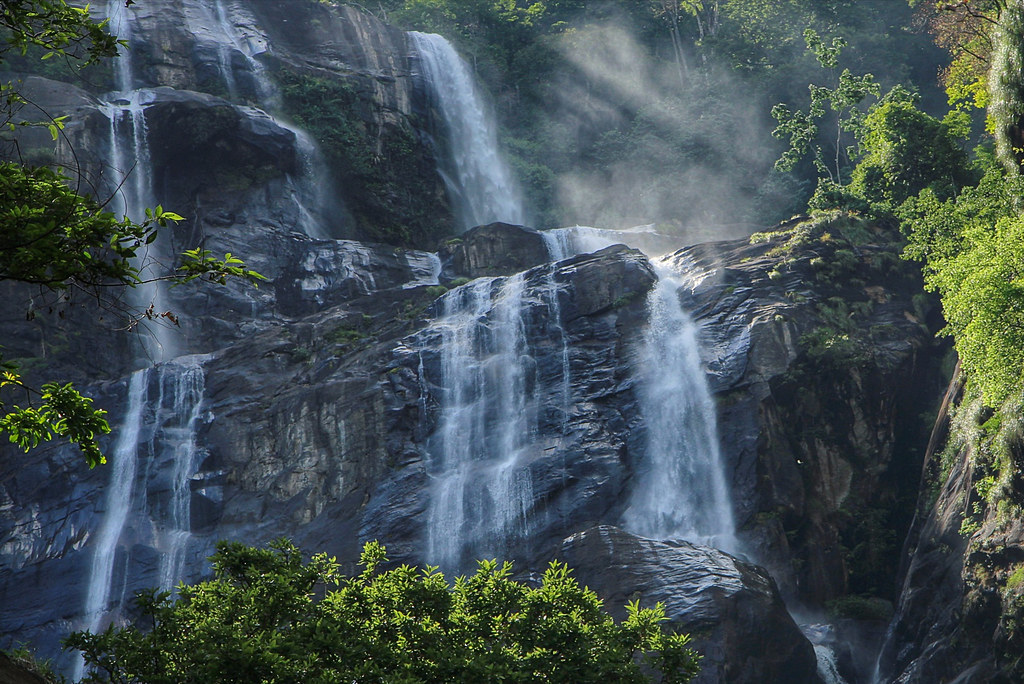
After approximately one hour of hiking, the first viewpoint reveals the lower sections of the waterfall. The sight is breathtaking. Water cascades down sheer rock faces surrounded by lush green vegetation, creating one of the most dramatic landscapes in southern Tanzania.
Continuing to the upper viewpoint rewards hikers with panoramic vistas across the vast Kilombero Valley. On clear days, the scenery stretches for miles, showcasing patchworks of farmland, forest, and distant mountain ranges.
Many visitors consider this viewpoint among the finest in Tanzania, rivaling some of the country’s most famous scenic overlooks.
The waterfall itself provides a refreshing conclusion to the hike. Visitors can relax beside natural pools, enjoy a picnic lunch, and appreciate the tranquility of one of Tanzania’s most beautiful natural attractions.
Cultural Connections and Local Communities
The mountains surrounding Udzungwa have long been home to local communities whose lives remain closely connected to the forest.
Traditional knowledge of medicinal plants, wildlife behavior, and natural resource management has been passed down through generations. Many local residents possess an intimate understanding of the landscape and continue to contribute valuable insights to conservation initiatives.
Community-based tourism programs increasingly allow visitors to engage with local culture while supporting sustainable livelihoods. Cultural tours may include visits to villages, traditional farming demonstrations, local markets, and opportunities to learn about regional customs and traditions.
These experiences provide a deeper understanding of the relationship between people and nature in southern Tanzania.
By supporting local businesses, guides, and community projects, tourism contributes directly to economic development while encouraging conservation efforts.
Combining Udzungwa with Other Southern Tanzania Destinations
One of the greatest advantages of visiting Udzungwa National Park is its proximity to several of Tanzania’s premier wildlife destinations.
Udzungwa and Mikumi National Park
Many travelers combine Udzungwa with nearby Mikumi National Park. While Udzungwa offers rainforest hiking and endemic wildlife, Mikumi provides classic safari experiences with lions, elephants, giraffes, zebras, and buffalo.
The contrast between the two parks creates a diverse and rewarding itinerary.
Udzungwa and Ruaha National Park
For those seeking a more extensive southern circuit adventure, pairing Udzungwa with Ruaha National Park is highly recommended.
Ruaha is Tanzania’s largest national park and one of Africa’s finest wilderness areas. It is renowned for large elephant herds, predator sightings, and dramatic landscapes.
Combining Ruaha’s wildlife-rich savannahs with Udzungwa’s rainforest environments offers visitors an exceptional range of experiences.
Udzungwa and Nyerere National Park
Another popular combination includes Nyerere National Park, one of Africa’s largest protected areas.
Boat safaris along the Rufiji River, walking safaris, and traditional game drives complement Udzungwa’s hiking adventures perfectly.
Together, these destinations showcase the incredible diversity of southern Tanzania.
Photography Opportunities
Photographers often find Udzungwa National Park particularly rewarding because of its varied landscapes and unique wildlife.
Unlike open savannah parks where photography focuses primarily on large mammals, Udzungwa offers opportunities to capture:
- Rainforest landscapes
- Waterfalls
- Endemic primates
- Exotic birds
- Butterflies
- Mountain scenery
- Forest details and textures
- Sunrise and sunset viewpoints
The soft light filtering through the forest canopy creates dramatic compositions, while misty mornings add atmosphere and depth to photographs.
Landscape photographers are especially drawn to the viewpoints overlooking the Kilombero Valley, where changing weather conditions constantly transform the scenery.
Birdwatching in Udzungwa National Park
Birdwatching deserves special attention because Udzungwa is considered one of East Africa’s premier birding destinations.
The combination of rainforest, montane forest, and open habitats supports an impressive variety of species. Serious birders often spend several days exploring different elevations to maximize their sightings.
Early mornings provide the best opportunities. As the forest awakens, birds fill the canopy with song, creating a sensory experience unlike any other.
Several endemic and near-endemic species make Udzungwa particularly important for international birdwatchers seeking rare additions to their life lists.
Whether you are an experienced ornithologist or a casual observer, the diversity and abundance of birdlife add another layer of excitement to every hike.
Responsible Tourism in Udzungwa
As tourism continues to grow, responsible travel practices become increasingly important.
Visitors can help protect Udzungwa’s fragile ecosystems by:
- Staying on designated trails
- Avoiding littering
- Respecting wildlife
- Supporting local guides
- Choosing environmentally responsible accommodations
- Minimizing noise in wildlife areas
- Conserving water and energy
These simple actions contribute significantly to long-term conservation efforts and ensure future generations can continue to enjoy the park’s natural beauty.
Travel Tips for Visiting Udzungwa National Park
To make the most of your visit, consider the following practical advice:
- Wear comfortable hiking boots with good grip.
- Carry sufficient drinking water.
- Bring insect repellent.
- Pack lightweight rain gear.
- Use binoculars for bird and wildlife viewing.
- Start hikes early to avoid midday heat.
- Hire an experienced guide.
- Allow at least two full days to explore the park.
- Carry a camera with extra batteries.
- Respect park regulations and conservation guidelines.
Preparation enhances both safety and enjoyment, particularly on longer hiking trails.
Why Udzungwa Remains One of Tanzania’s Best-Kept Secrets
Despite its extraordinary biodiversity, spectacular scenery, and world-class hiking opportunities, Udzungwa remains relatively unknown compared to Tanzania’s more famous safari destinations.
This relative obscurity is part of its charm.
Visitors can often explore trails without encountering large crowds, creating a sense of solitude and wilderness that is increasingly rare in modern tourism.
The park offers a completely different perspective on Tanzania—one that highlights ancient forests, endemic species, and immersive nature experiences rather than traditional game viewing.
For adventurous travelers willing to venture beyond the well-known safari circuit, Udzungwa National Park represents one of East Africa’s most rewarding discoveries.
It is a destination where every step reveals something new, where waterfalls emerge from dense rainforest, where rare primates leap through the canopy, and where the natural world remains wonderfully wild.
In a country celebrated for its extraordinary wildlife and landscapes, Udzungwa stands apart as a place of mystery, beauty, and discovery—a hidden rainforest paradise that deserves a place on every nature lover’s travel bucket list.