May 2026

Uncategorized

14 Days Mikumi, Nyerere, Tarangire & Serengeti Wildlife Safari

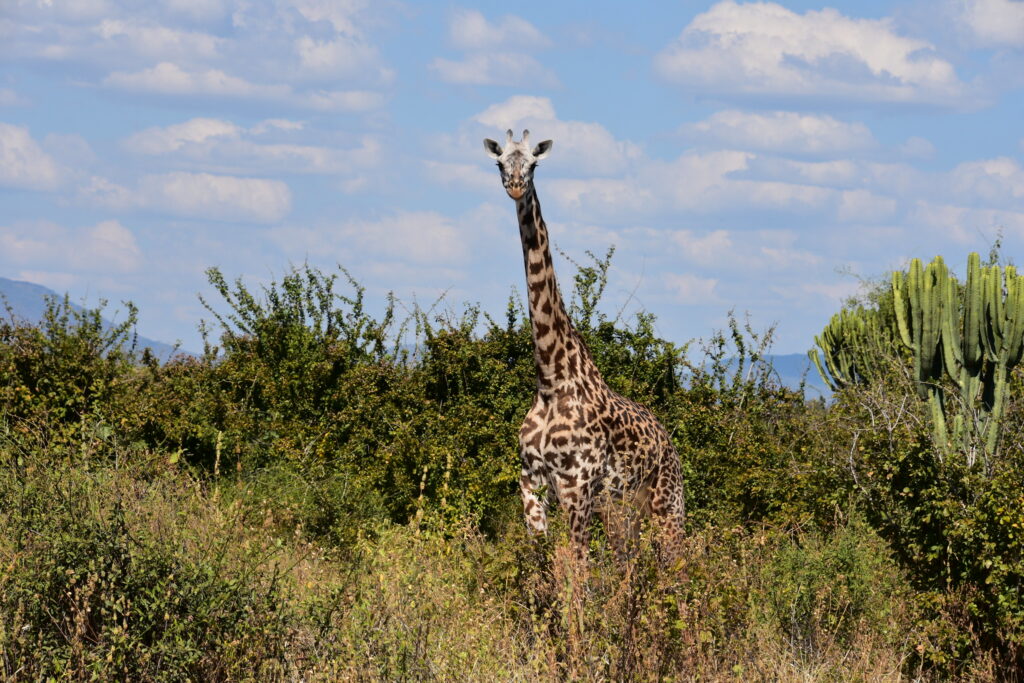
14 Days Mikumi, Nyerere, Tarangire & Serengeti National Park Wildlife Safari Experience the ultimate Tanzania wildlife journey across the country’s most diverse safari destinations. This 14-day adventure combines the remote wilderness of Nyerere National Park, the scenic plains of Mikumi National Park, the elephant-rich landscapes of Tarangire National Park, and the world-famous endless savannahs of Serengeti National Park. Along the way, you will encounter incredible wildlife, authentic African landscapes, cultural experiences, and unforgettable safari moments. Whether you are a photographer, wildlife enthusiast, honeymooner, or first-time safari traveler, this itinerary delivers an immersive East African safari experience featuring game drives, scenic road trips, optional walking safaris, and incredible opportunities to witness Tanzania’s iconic animals in their natural habitats. Safari Overview Duration: 14 Days / 13 NightsDestinations: Mikumi, Nyerere, Tarangire & Serengeti National ParksSafari Style: Mid-range, Luxury, or Camping SafariBest For: Wildlife lovers, photographers, couples, families, and adventure travelersSafari Start: Dar es Salaam or ArushaSafari End: Arusha or Kilimanjaro International Airport Why Choose This 14-Day Tanzania Safari? This itinerary offers a unique blend of southern and northern Tanzania safari circuits. Many travelers only visit northern parks, but combining southern destinations with the legendary Serengeti creates a richer and more diverse safari experience. Highlights include: Big Five wildlife encounters Boat safari opportunities in Nyerere Scenic landscapes and baobab trees in Tarangire Endless Serengeti plains and predator sightings Authentic wilderness experiences away from crowds Excellent birdwatching opportunities Diverse ecosystems and habitats Cultural interactions with local communities Day 1: Arrival in Dar es Salaam Upon arrival in Dar es Salaam, you will be welcomed by your safari guide and transferred to your hotel. Depending on your arrival time, you can relax after your international flight or explore parts of the city. Dar es Salaam is Tanzania’s largest city and a major gateway to southern safari destinations. The coastal atmosphere, vibrant streets, and warm hospitality provide a great introduction to the country. Overnight: Hotel in Dar es Salaam Day 2: Drive to Mikumi National Park After breakfast, depart for Mikumi National Park. The drive takes you through scenic Tanzanian countryside, villages, and rolling landscapes. Mikumi is often compared to the Serengeti because of its wide-open plains and abundant wildlife. Upon arrival, enjoy your first afternoon game drive. Animals Commonly Seen: Lions Elephants Zebras Giraffes Buffaloes Hippos Wildebeests Antelopes The Mkata Floodplain is especially rewarding for wildlife viewing. Overnight: Safari lodge or tented camp in Mikumi Day 3: Full Day Safari in Mikumi National Park Spend a full day exploring Mikumi’s wildlife-rich ecosystems. Early morning and late afternoon game drives provide the best chances to spot predators and active animals. Mikumi is one of Tanzania’s underrated safari destinations and offers excellent wildlife viewing without the heavy traffic found in some popular parks. Safari Highlights: Sunrise game drive Birdwatching opportunities Scenic landscapes Hippo pools Predator tracking Optional activities may include guided cultural tours to nearby communities. Overnight: Safari lodge or camp in Mikumi Day 4: Mikumi to Nyerere National Park Today, continue south toward Nyerere National Park, formerly part of the famous Selous Game Reserve. Nyerere is Africa’s largest protected wildlife area and one of Tanzania’s true wilderness gems. The landscapes here are raw, untamed, and remarkably diverse. Arrive in time for relaxation at your lodge overlooking the wilderness. Overnight: Safari lodge or tented camp in Nyerere Day 5: Full Day Game Drive in Nyerere National Park Explore the vast wilderness of Nyerere National Park on extensive game drives. Unlike many parks in East Africa, Nyerere offers a genuine off-the-beaten-path safari atmosphere. Wildlife encounters here feel intimate and authentic. Wildlife Highlights: African wild dogs Elephants Lions Leopards Crocodiles Hippos Large buffalo herds The Rufiji River system supports incredible biodiversity and scenic beauty. Overnight: Safari lodge in Nyerere Day 6: Boat Safari & Walking Safari Experience One of the unique experiences in Nyerere is the boat safari along the Rufiji River. Unlike traditional game drives, boat safaris allow you to observe wildlife from the water while enjoying peaceful scenery. Common Sightings: Hippos Crocodiles Fish eagles Water birds Elephants along riverbanks You may also participate in an optional guided walking safari accompanied by an armed ranger. Walking safaris offer: Bush tracking experiences Learning about animal footprints Understanding local ecosystems Close connection with nature Overnight: Safari lodge or luxury tented camp Day 7: Flight or Transfer to Arusha Today, transfer back for your domestic flight to Arusha, the safari capital of northern Tanzania. After arrival, relax at your lodge and prepare for the northern safari circuit adventures ahead. Overnight: Hotel or lodge in Arusha Day 8: Arusha to Tarangire National Park After breakfast, depart for Tarangire National Park. Tarangire is famous for: Massive elephant herds Giant baobab trees Seasonal migration Excellent predator sightings Enjoy an afternoon game drive through this spectacular landscape. Wildlife Highlights: Elephants Lions Cheetahs Leopards Zebras Giraffes Oryx Hundreds of bird species Overnight: Safari lodge or camp near Tarangire Day 9: Full Day Tarangire Safari Spend the entire day exploring Tarangire’s diverse habitats. The Tarangire River attracts huge concentrations of animals, especially during the dry season when wildlife gathers around permanent water sources. Activities: Morning game drive Picnic lunch inside the park Sunset safari drive Photography opportunities Tarangire’s scenery is among the most beautiful in Tanzania. Overnight: Lodge or tented camp Day 10: Tarangire to Serengeti National Park Begin the journey toward the legendary Serengeti National Park. The drive offers incredible scenery and changing landscapes as you enter one of the world’s most iconic wildlife destinations. Arrive in the Serengeti for an afternoon game drive. Serengeti Highlights: Endless plains Predator-rich ecosystems Great Migration (seasonal) Classic African safari landscapes Overnight: Safari camp in Serengeti Day 11: Full Day Serengeti Wildlife Safari Spend the day exploring different regions of the Serengeti ecosystem. The Serengeti is renowned for exceptional predator sightings and dramatic wildlife interactions. Possible Sightings: Lions hunting Leopards in trees Cheetahs on open plains Hyenas Wildebeest herds Massive zebra migrations Depending on the season, you may witness parts of the Great Migration. Overnight: Safari lodge or camp in
Uncategorized

Best 2 Days Arusha National Park Itinerary

Best 2 Days Arusha National Park Wildlife Safari Tours Nestled at the foothills of majestic Mount Meru in northern Tanzania, Arusha National Park is one of the country’s most underrated safari destinations. While many travelers focus entirely on the vast plains of the Serengeti or the world-famous Ngorongoro Crater, Arusha National Park offers something completely different — a scenic, relaxed, and activity-filled safari experience perfect for short adventures. For travelers with limited time, a 2 days Arusha National Park wildlife safari tour is one of the best ways to experience Tanzania’s wildlife, landscapes, and safari culture without committing to a long multi-day expedition. Located only about 45 minutes from Arusha city, the park is incredibly accessible and ideal for: Weekend safaris Family holidays Honeymoon getaways Tanzania self-drive adventures Kilimanjaro pre- or post-climb safaris Zanzibar beach extensions Birdwatching trips Photography tours Unlike many safari parks in Africa, Arusha National Park combines classic wildlife game drives with unique safari activities such as: Walking safaris Canoeing safaris Waterfall hikes Scenic crater viewpoints Forest exploration Cultural experiences This diversity makes it one of the most rewarding short safaris in East Africa. Why Choose a 2 Days Arusha National Park Safari? A one-day safari to Arusha National Park is popular, but spending two days allows travelers to fully appreciate the park’s beauty and diversity without rushing. With an overnight stay inside or near the park, visitors can enjoy: Early morning wildlife activity Sunset game drives More relaxed exploration Additional safari activities Better wildlife photography opportunities Scenic lodge experiences Forest walks and waterfalls The park’s landscapes are surprisingly diverse for its size. Within a relatively compact area, travelers encounter: Dense montane forests Open savannah plains Crater landscapes Alkaline lakes Swamps Waterfalls Acacia woodlands The backdrop of Mount Meru creates spectacular scenery throughout the safari. Location and Accessibility Arusha National Park is located in northern Tanzania between Arusha city and Mount Kilimanjaro. Distances: Arusha city to the park gate: approximately 35 km Kilimanjaro International Airport to the park: approximately 60 km Moshi to the park: approximately 70 km Because of its location, the park is often combined with: Kilimanjaro climbing itineraries Northern Tanzania safari circuits Self-drive safaris Zanzibar holidays The short driving distance means travelers spend less time on the road and more time enjoying wildlife and activities. What Makes Arusha National Park Special? Unlike the famous predator-heavy parks of Tanzania, Arusha National Park focuses more on scenery, unique safari experiences, and close wildlife encounters. The park is famous for: Walking safaris with armed rangers Large giraffe populations Canoeing on Momella Lakes Colobus monkey sightings Mount Meru views Birdwatching Ngurdoto Crater Tululusia Waterfalls It is one of the few parks in Tanzania where visitors can safely explore parts of the wilderness on foot. Main Attractions in Arusha National Park Mount Meru Standing at 4,566 meters, Mount Meru is Tanzania’s second-highest mountain after Mount Kilimanjaro. The mountain dominates the park’s landscape and provides: Spectacular photography opportunities Hiking adventures Scenic safari backdrops Rich forest ecosystems On clear days, visitors may even see Mount Kilimanjaro in the distance. Momella Lakes The Momella Lakes are among the most scenic areas of the park. These shallow alkaline lakes attract: Flamingos Water birds Hippos Buffaloes Giraffes Zebras The lakes are also the center of the park’s famous canoe safari experiences. Ngurdoto Crater Often called the “Little Ngorongoro,” Ngurdoto Crater is a lush volcanic crater filled with dense forest and swamps. Wildlife frequently spotted here includes: Buffaloes Warthogs Baboons Monkeys Antelopes Several viewpoints offer panoramic views into the crater floor. Tululusia Waterfalls Hidden inside the forest, the Tululusia Waterfalls provide a peaceful escape from traditional game driving. The waterfall area is ideal for: Nature walks Photography Birdwatching Picnics Relaxation Wildlife in Arusha National Park Although Arusha National Park is smaller than many Tanzanian parks, it hosts an impressive variety of wildlife. Mammals You Can See Common animals include: Giraffes Zebras Buffaloes Warthogs Bushbucks Waterbucks Dik-diks Blue monkeys Olive baboons Black-and-white colobus monkeys Less common but possible sightings: Leopard Hyena Elephant One thing travelers quickly notice is the abundance of giraffes. Arusha National Park is one of the best places in Tanzania to see giraffes up close. Birdwatching Paradise Arusha National Park is a fantastic birding destination with over 400 bird species recorded. Bird lovers may spot: Flamingos Fish eagles Kingfishers Hornbills Herons Cormorants Crowned cranes Turacos The Momella Lakes area is especially rich in birdlife. Best 2 Days Arusha National Park Safari Itinerary Day 1: Arusha – Walking Safari – Canoeing – Evening Game Drive Morning Pickup Your safari begins with an early morning pickup from: Arusha hotels Kilimanjaro Airport Moshi accommodations After a short briefing, you drive toward the park gate. The drive itself is scenic, passing villages, coffee farms, and views of Mount Meru. Arrival and Park Registration Upon entering Arusha National Park, your guide handles park registration while you enjoy your first wildlife sightings near the gate. Animals commonly seen near the entrance include: Baboons Zebras Giraffes Buffaloes Guided Walking Safari One of the highlights of the tour is the walking safari accompanied by an armed ranger. Unlike standard game drives, walking safaris allow visitors to: Hear forest sounds Track animals on foot Learn about plants and ecosystems Experience wildlife at ground level Walking safaris may include encounters with: Giraffes Buffaloes Zebras Warthogs Antelopes This activity provides a completely different perspective compared to viewing wildlife from a vehicle. Lunch in the Park After the walk, enjoy a picnic lunch surrounded by nature. Many picnic sites overlook: Lakes Open plains Forests Mount Meru landscapes Canoeing Safari on Momella Lakes The canoe safari is one of the most unique safari activities in Tanzania. Paddling quietly along the Momella Lakes gives visitors the opportunity to observe: Flamingos Hippos Buffaloes Waterbirds Giraffes along the shoreline The calm waters and mountain scenery create exceptional photography opportunities. Evening Game Drive Later in the afternoon, continue with a wildlife game drive. Popular areas explored include: Serengeti Ndogo Open savannah plains Forest roads Ngurdoto Crater viewpoints As temperatures

Uncategorized

6-Day Mount Kilimanjaro Climb via Lemosho Route

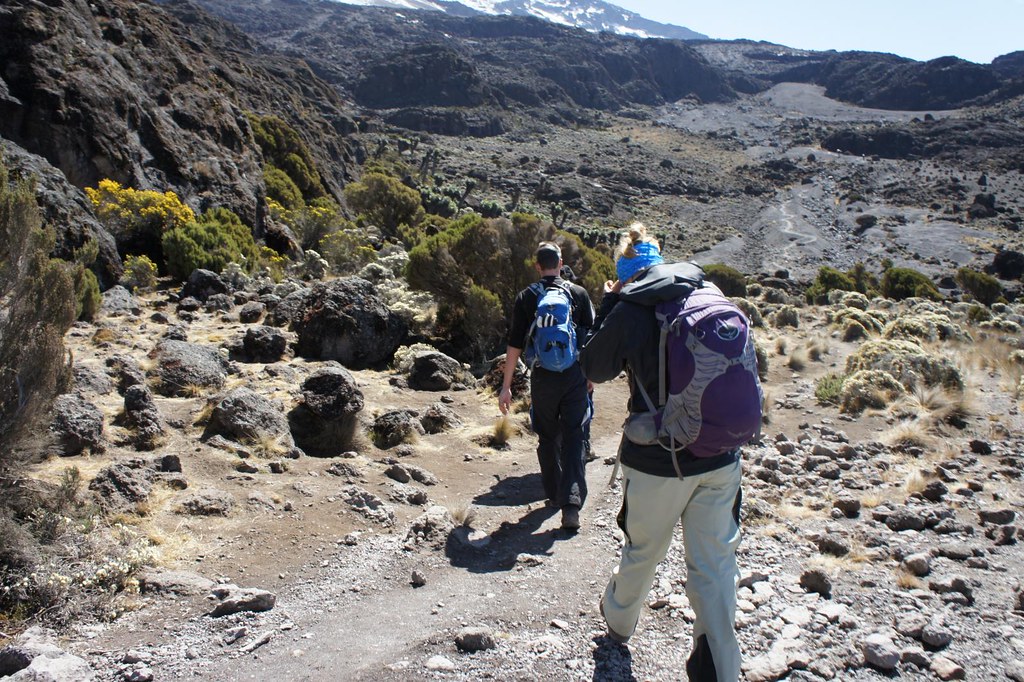
🏔️ 6-Day Mount Kilimanjaro Climb via Lemosho Route (Complete Guide + Itinerary) Climbing Mount Kilimanjaro is one of the most iconic adventures in Africa. Standing at 5,895 meters, it is the highest peak on the continent and one of the world’s most accessible high-altitude climbs. If you are looking for a scenic, less crowded, and rewarding route, the Lemosho Route is widely regarded as the best option. This guide provides everything you need to know about the 6-day Lemosho Route itinerary, including detailed daily trekking plans, costs, success tips, packing lists, and why this route is perfect for your Kilimanjaro adventure. 🌍 Why Choose the Lemosho Route? The Lemosho Route approaches Kilimanjaro from the western side, offering unmatched beauty and gradual scenery changes. ⭐ Key Advantages: 🌄 Most scenic route on Kilimanjaro 🐒 Rich wildlife in rainforest zone 🚶‍♂️ Less crowded in early days 🏞️ Panoramic views across the Shira Plateau 🔄 Joins Machame Route for summit approach Unlike other routes, Lemosho gives you a true wilderness experience before merging with busier trails. ⏱️ Is the 6-Day Lemosho Route Right for You? The 6-day version is a shortened itinerary, meaning: Faster ascent Less acclimatization time More physically demanding 👍 Best for: Fit hikers Previous altitude experience Travelers with limited time ⚠️ Consider: For better success rates, many climbers choose 7 or 8 days instead. 🗺️ 6-Day Lemosho Route Overview Duration: 6 Days Distance: ~70 km Summit: Uhuru Peak (5,895m) Success Rate: Moderate Difficulty: Challenging 📅 Detailed 6-Day Lemosho Route Itinerary 🟢 Day 1: Londorossi Gate to Mti Mkubwa Camp Your journey begins with a scenic drive from Arusha or Moshi to the Londorossi Gate. After registration, you enter the lush rainforest. Trek Details: Altitude: 2,100m → 2,820m Distance: 6 km Time: 3–4 hours What to Expect: Thick rainforest canopy Colobus monkeys and birds Humid but gentle hiking You will spend your first night at Mti Mkubwa Camp (Big Tree Camp). 🟡 Day 2: Mti Mkubwa to Shira 2 Camp This is one of the longest and toughest days. You leave the forest and enter moorland, with dramatic changes in scenery. Trek Details: Altitude: 2,820m → 3,850m Distance: 16–18 km Time: 8–10 hours Highlights: Expansive views of the Shira Plateau First clear views of Kibo peak Unique vegetation like giant heathers ⚠️ This rapid altitude gain is why this route is challenging. 🟠 Day 3: Shira 2 Camp to Lava Tower to Barranco Camp This is a critical acclimatization day. You climb high to Lava Tower, then descend. Trek Details: Altitude: 3,850m → 4,600m → 3,900m Distance: 10 km Time: 6–8 hours Highlights: Lava Tower Dramatic volcanic terrain Giant senecio plants Descending to Barranco Camp helps your body adjust to altitude. 🔴 Day 4: Barranco Camp to Karanga to Barafu Camp Start your day by climbing the famous Barranco Wall. Trek Details: Altitude: 3,900m → 4,600m Distance: 9 km Time: 8–10 hours Highlights: Barranco Wall Views of Mawenzi Peak Alpine desert landscapes You arrive at Barafu Camp, your base for summit night. Early dinner and rest are essential. ⚫ Day 5: Summit Day – Barafu Camp to Uhuru Peak to Mweka Camp The most demanding day begins at midnight. Trek Details: Altitude: 4,600m → 5,895m → 3,100m Time: 12–16 hours Route: Barafu → Stella Point (sunrise) Stella Point → Uhuru Peak Descend to Mweka Camp What to Expect: Freezing temperatures Thin oxygen levels Mental and physical challenge Standing at Uhuru Peak is a life-changing moment. 🟢 Day 6: Mweka Camp to Mweka Gate Your final descent through rainforest. Trek Details: Altitude: 3,100m → 1,640m Distance: 10 km Time: 3–4 hours At the gate: Receive your summit certificate Transfer back to Arusha or Moshi 🌄 Landscapes You Will Experience One of the biggest highlights of climbing Mount Kilimanjaro is the diversity of ecosystems: 🌿 Rainforest 🌾 Moorland 🏜️ Alpine Desert ❄️ Arctic Summit Few places on Earth offer such variety in a single trek. 🧗 Difficulty & Success Rate The 6-day Lemosho route is challenging due to: Fast ascent Limited acclimatization Long trekking days Success Rate: 6 days: ~60–70% 7–8 days: 85%+ 👉 If your goal is summit success, consider adding an extra day. 🎒 Packing List for Kilimanjaro Essential Gear: Waterproof hiking boots Warm layers (down jacket) Sleeping bag (-10°C rating) Trekking poles Headlamp Gloves & hat Clothing Strategy: Layering is key: Base layer Insulation layer Waterproof outer layer 🍽️ Food & Accommodation Accommodation: Camping tents (provided) Sleeping mats included Meals: Freshly prepared by mountain chefs High-energy foods (carbs + protein) Tea, coffee, and snacks 🧑‍🤝‍🧑 Guides & Safety Climbing Kilimanjaro requires a licensed guide. Your team includes: Lead guide Assistant guides Porters Cook Safety measures: Daily health checks Oxygen tanks Emergency evacuation procedures 💰 Cost of 6-Day Lemosho Route Typical pricing ranges: Budget: $1,800 – $2,200 Mid-range: $2,300 – $3,000 Luxury: $3,200+ Includes: Park fees Crew wages Meals & camping Transfers 📅 Best Time to Climb Kilimanjaro Best seasons: ☀️ Dry Seasons: January – March June – October Avoid heavy rains in: April – May November 💡 Expert Tips for Summit Success Walk slowly (“pole pole”) Drink 3–4 liters daily Eat even when not hungry Train with cardio + hiking Consider altitude medication 🚙 Why Book With Us? We specialize in Kilimanjaro climbs and Tanzania safaris, offering: ✅ What You Get: Professional, experienced guides High-quality camping gear Ethical porter treatment Flexible itineraries 24/7 support 🌟 Added Value: Combine with safari in Serengeti National Park Add Ngorongoro Crater tour Car rental with rooftop tent options 📞 Book Your Kilimanjaro Adventure Ready to conquer Mount Kilimanjaro? We make it easy. 👉 Contact Us Today: Custom itineraries Group or private climbs Best price guarantee ❓ Frequently Asked Questions How hard is the 6-day Lemosho route? It is moderately difficult to challenging due to rapid altitude gain. Do I need experience? Not required, but good fitness is essential. What is the success rate? Around 60–70% for 6 days. Can beginners climb Kilimanjaro? Yes—with proper preparation and a good guide. 🏁 Final Thoughts The

Scroll to Top