
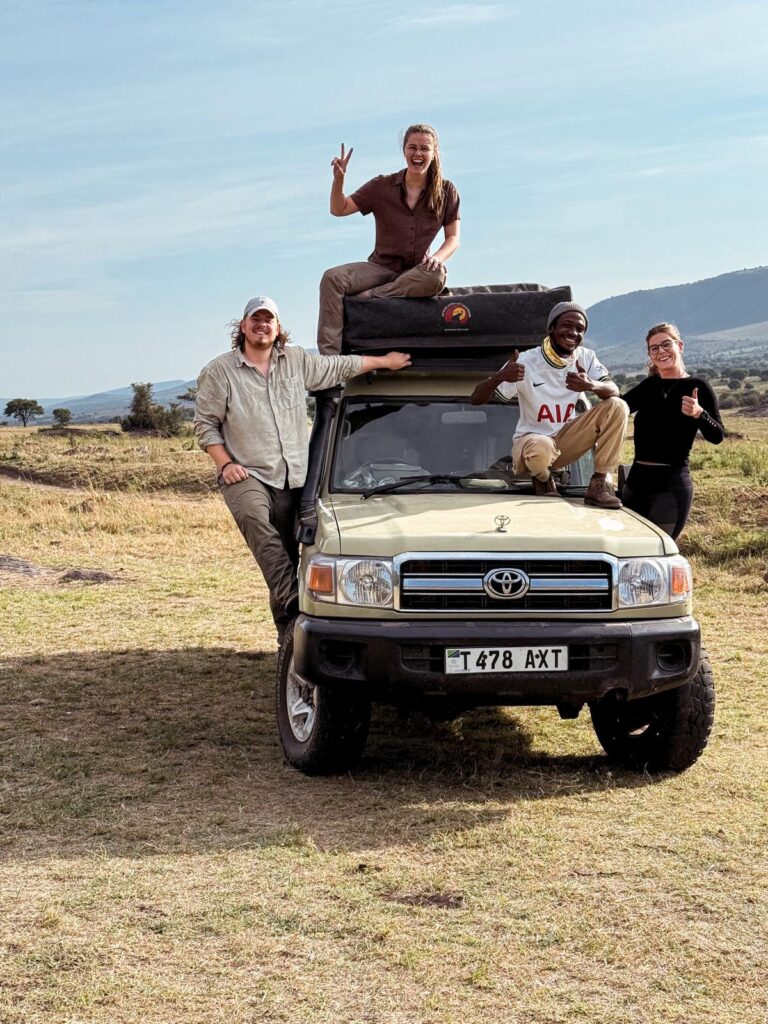
Ruaha National Park: Tanzania’s Untamed Wilderness and One of Africa’s Greatest Safari Destinations
Introduction: Discovering Tanzania’s Best-Kept Safari Secret
As dawn breaks over southern Tanzania, the first rays of sunlight illuminate a landscape unlike any other in Africa. Ancient baobab trees cast long shadows across golden grasslands while the distant roar of a lion echoes through the cool morning air. Along the banks of the Great Ruaha River, elephants emerge from the bush to drink, their silhouettes framed against a backdrop of rugged hills and endless wilderness. This is Ruaha National Park, a destination where nature still unfolds much as it has for thousands of years and where every safari feels like a genuine exploration into the wild.
While the Serengeti and Ngorongoro Crater have earned international fame, Ruaha remains one of Tanzania’s most extraordinary hidden treasures. Located in the country’s remote southern circuit, it offers a safari experience that many travelers describe as Africa at its most authentic. Vast, uncrowded, and remarkably diverse, Ruaha is a place where visitors can spend hours observing wildlife without encountering another vehicle. It is a destination that rewards those who seek not just a safari, but a true wilderness adventure.
Covering more than 20,000 square kilometers, Ruaha National Park is the largest national park in Tanzania and one of the largest protected ecosystems in East Africa. Its immense size, varied landscapes, and exceptional wildlife populations have earned it a reputation among experienced safari enthusiasts as one of the finest safari destinations on the continent. Yet despite its remarkable qualities, it remains relatively untouched by mass tourism, preserving a sense of exclusivity and discovery that is increasingly rare in today’s travel world.
The Journey to Ruaha National Park
Part of Ruaha’s magic lies in the journey itself. Unlike some safari destinations that begin the moment you step off a commercial flight, Ruaha feels like an expedition from the very start. Travelers arriving from Dar es Salaam, Arusha, Zanzibar, or other parts of Tanzania quickly notice the transformation as they move deeper into the country’s southern wilderness.
For those arriving by air, small bush planes offer spectacular views of the landscape below. Endless stretches of woodland, winding rivers, rocky escarpments, and open plains reveal themselves from above, providing the first glimpse of the vast ecosystem that awaits. The remoteness becomes immediately apparent. There are few roads, fewer settlements, and an overwhelming sense of space that stretches toward every horizon.
Those who travel by road from Iringa enjoy a different but equally rewarding experience. The route passes through picturesque countryside and traditional villages before gradually entering increasingly wild terrain. By the time visitors reach the park gates, there is a distinct feeling that they have left the modern world behind and entered a place where nature remains firmly in control.
This sense of isolation is one of Ruaha’s greatest attractions. Unlike more heavily visited safari destinations, Ruaha offers travelers the rare opportunity to experience Africa’s wilderness without crowds. The journey itself helps set the stage for an adventure that feels deeply personal and profoundly connected to the natural world.
A Landscape Shaped by Time
One of the first things visitors notice about Ruaha is the extraordinary diversity of its landscapes. Every game drive reveals a different side of the park, creating a constant sense of exploration and discovery. Unlike the endless plains that characterize some safari destinations, Ruaha is a mosaic of ecosystems that support an incredible variety of wildlife.
The park is dominated by rolling hills, vast savannahs, seasonal rivers, dense woodlands, and dramatic rocky outcrops. Towering baobab trees punctuate the landscape, their massive trunks standing as silent witnesses to centuries of environmental change. Some of these ancient giants are believed to be hundreds of years old, adding a timeless quality to the scenery.
At the heart of the ecosystem flows the Great Ruaha River. During the dry season, this river becomes the lifeblood of the park, drawing wildlife from across the surrounding landscape. The riverbanks transform into bustling hubs of activity where elephants gather to drink, buffalo wallow in muddy pools, and predators patrol in search of prey.
The changing seasons bring dramatic transformations to the landscape. During the dry months, golden grasslands dominate the scenery, and wildlife concentrates around remaining water sources. When the rains arrive, Ruaha undergoes a remarkable metamorphosis. Fresh green vegetation carpets the plains, seasonal flowers bloom, and migratory birds arrive from distant continents. These seasonal shifts ensure that every visit offers a unique perspective on the park’s natural beauty.
The Great Ruaha River: The Lifeline of the Wilderness
To truly understand Ruaha National Park, one must understand the importance of the Great Ruaha River. This magnificent waterway is far more than a geographical feature; it is the heartbeat of the ecosystem and the reason so much wildlife flourishes within the park.
Each day along the river unfolds like a carefully choreographed performance. In the early morning, antelope cautiously emerge from the bush to drink while scanning for danger. Hippos return to their pools after a night of grazing, and crocodiles position themselves along sandy banks to absorb the warmth of the rising sun.
As temperatures climb, larger animals begin to arrive. Elephant herds move toward the water with purpose, sometimes numbering in the dozens. Buffalo gather in impressive concentrations, while giraffes delicately lower themselves to drink. The river becomes a focal point for life, attracting animals from across the surrounding landscape.
For predators, the river presents countless opportunities. Lions patrol nearby thickets, leopards rest in riverine trees, and wild dogs frequently use the area as a hunting ground. Every visit to the river offers the possibility of witnessing dramatic interactions between predator and prey, making it one of the most exciting areas of the park for wildlife viewing.
Encountering Ruaha’s Magnificent Elephants
Among Ruaha’s many attractions, its elephants hold a special place in the hearts of visitors. The park supports one of East Africa’s largest elephant populations, and encounters with these gentle giants are often among the most memorable moments of a safari.
Watching an elephant herd move across the landscape is an experience that is difficult to describe. There is a quiet confidence in the way they travel, guided by experienced matriarchs who lead family groups through the wilderness. Young calves remain close to their mothers, occasionally breaking away to investigate an interesting scent or object before quickly returning to the safety of the herd.
The dry season provides particularly rewarding elephant sightings. Large groups congregate along the Great Ruaha River, creating extraordinary scenes as dozens of animals drink, bathe, and socialize. Visitors often spend extended periods simply observing these interactions, fascinated by the intelligence, communication, and social bonds displayed by the elephants.
For photographers, Ruaha offers exceptional opportunities to capture elephant behavior. The combination of dramatic landscapes, ancient baobab trees, and abundant wildlife creates images that perfectly capture the essence of wild Africa.
The Kingdom of Lions
Ruaha is widely recognized as one of Africa’s premier destinations for lion viewing. The park supports a thriving lion population, and sightings are both frequent and diverse. Unlike destinations where lions are often viewed from a distance, Ruaha’s relatively low visitor numbers allow for intimate and unhurried encounters.
A typical day might begin with a pride resting beneath a shady tree after a night of hunting. Cubs playfully wrestle with one another while lionesses remain alert to their surroundings. Elsewhere in the park, dominant males patrol their territories, their powerful roars carrying across the landscape and announcing their presence to rivals.
One of the most exciting aspects of lion viewing in Ruaha is the opportunity to witness natural behavior. With fewer vehicles around, lions often behave as though no one is watching. Visitors may observe hunting strategies, social interactions, territorial disputes, and family dynamics in a setting that feels entirely authentic.
These encounters serve as powerful reminders that Ruaha remains one of Africa’s last truly wild ecosystems, where predators continue to shape the natural balance of the landscape.
African Wild Dogs and Other Rare Predators
For many experienced safari travelers, the possibility of seeing African wild dogs is reason enough to visit Ruaha. These endangered predators have disappeared from many regions across Africa, but the greater Ruaha ecosystem remains one of their most important strongholds.
Wild dogs are unlike any other predator on the continent. Highly social and remarkably efficient hunters, they live and operate as tightly coordinated packs. Watching them prepare for a hunt is an unforgettable experience. Excitement spreads through the group as individuals greet one another with energetic movements and distinctive vocalizations before setting off across the landscape.
In addition to wild dogs, Ruaha supports healthy populations of leopards, cheetahs, hyenas, and jackals. The park’s diverse habitats provide ideal conditions for a wide range of carnivores, making every game drive an opportunity for exciting predator encounters.
Why Ruaha Offers One of Africa’s Most Authentic Safari Experiences
Perhaps the most remarkable thing about Ruaha is not its wildlife or landscapes, but the feeling it creates. In an age when many famous safari destinations can feel busy during peak season, Ruaha offers something increasingly rare: solitude.
Visitors often spend entire mornings exploring the park without encountering another safari vehicle. Wildlife sightings feel personal rather than shared. There is time to stop, observe, and truly connect with the environment.
This sense of exclusivity transforms the safari experience. Travelers are not rushing from one sighting to another. Instead, they become immersed in the rhythms of the wilderness, appreciating both the dramatic wildlife encounters and the quieter moments that make a safari truly meaningful.
It is this authenticity that keeps drawing travelers back to Ruaha. Many arrive expecting a safari destination and leave having discovered something far more profound—a deep connection to one of Africa’s last great wilderness areas.
Conclusion: Tanzania’s Wild Heart Awaits
Ruaha National Park is more than just a safari destination. It is a place where nature still dictates the pace of life, where ancient landscapes remain largely unchanged, and where visitors can experience the thrill of genuine wilderness. From its enormous elephant herds and thriving lion populations to its spectacular scenery and remarkable sense of solitude, Ruaha offers everything that makes an African safari extraordinary.
For travelers seeking an adventure beyond the traditional safari circuit, Ruaha represents one of Tanzania’s greatest treasures. It is a destination that rewards curiosity, inspires wonder, and leaves lasting memories long after the journey has ended. In a world where truly wild places are becoming increasingly rare, Ruaha National Park stands as a powerful reminder that Africa’s untamed spirit is still very much alive.