
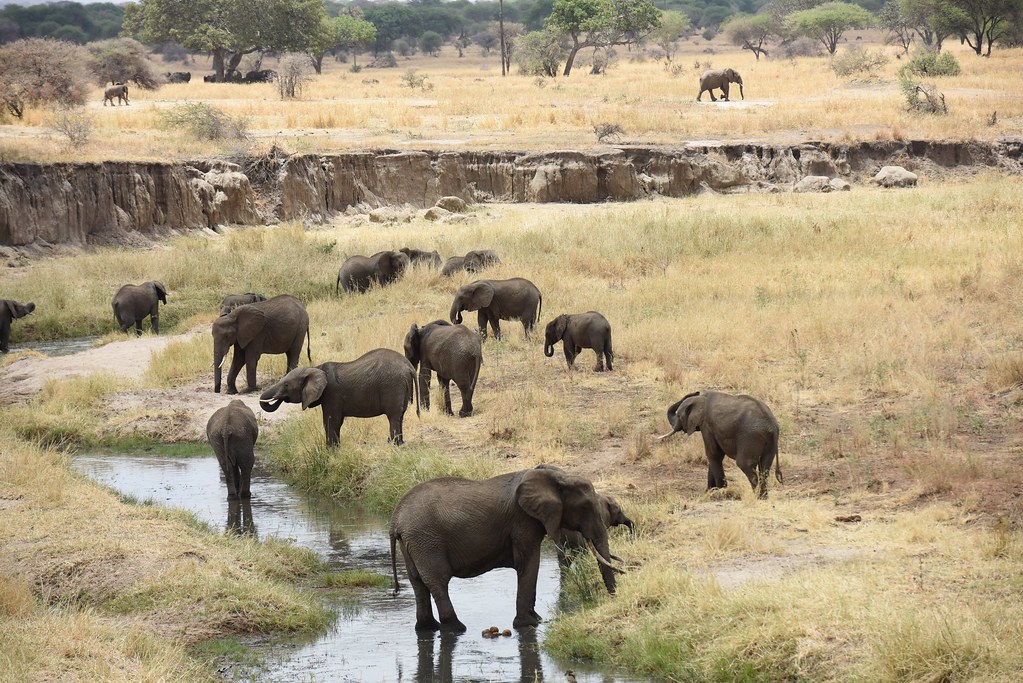
Mikumi National Park: Tanzania’s Accessible Wildlife Paradise
Introduction
Tanzania is blessed with some of Africa’s most iconic safari destinations, from the vast plains of the Serengeti to the wildlife-rich Ngorongoro Crater. Yet among these world-famous parks lies a hidden gem that offers exceptional wildlife viewing, breathtaking landscapes, and easy accessibility without the crowds often associated with the country’s premier safari circuits. Mikumi National Park is one of Tanzania’s most rewarding wildlife destinations and an ideal choice for travelers seeking an authentic African safari experience.
Located in southern Tanzania, Mikumi National Park serves as the gateway to the country’s Southern Safari Circuit. Covering approximately 3,230 square kilometers, the park forms part of a much larger ecosystem that extends into the vast Nyerere National Park and surrounding conservation areas. Its strategic location along the main highway connecting Dar es Salaam to Zambia makes it one of the most accessible national parks in East Africa.
For visitors with limited time, families, self-drive adventurers, photographers, and wildlife enthusiasts alike, Mikumi offers an unforgettable safari experience. The park is renowned for its open grasslands, abundant wildlife, beautiful scenery, and year-round accessibility. Often referred to as a miniature Serengeti, Mikumi provides many of the same safari highlights found in Tanzania’s northern parks but with fewer vehicles and a more relaxed atmosphere.
The History of Mikumi National Park
Mikumi National Park was established in 1964 as part of Tanzania’s commitment to conserving its rich biodiversity and natural heritage. The park was created to protect the wildlife and habitats found within the floodplains and surrounding woodlands of the region.
The name Mikumi is derived from the palm trees that once dominated the area. Over the decades, conservation efforts have helped preserve the park’s ecological integrity, ensuring that future generations can continue to enjoy its remarkable wildlife and landscapes.
As Tanzania’s fourth-largest national park, Mikumi plays an important role in the conservation of migratory wildlife populations that move between neighboring protected areas. The park forms part of a larger ecosystem stretching through southern Tanzania, creating vital wildlife corridors that support species movement and genetic diversity.
Location and Accessibility
One of Mikumi’s greatest advantages is its accessibility. Unlike many safari destinations that require expensive charter flights or long journeys on rough roads, Mikumi can be reached relatively easily from Tanzania’s major cities.
The park lies approximately 300 kilometers west of Dar es Salaam, Tanzania’s largest city and main international gateway. The journey by road takes between four and six hours depending on traffic conditions and road works. This convenience makes Mikumi an excellent destination for weekend safaris and short wildlife adventures.
Travelers can also access the park from Morogoro, which is located roughly 100 kilometers away. For those seeking a quicker option, domestic flights operate to nearby airstrips, connecting Mikumi with Dar es Salaam, Zanzibar, Ruaha, and other destinations within Tanzania.
Self-drive travelers particularly appreciate Mikumi because the roads leading to the park are generally well maintained. Many visitors renting 4×4 vehicles in Tanzania choose Mikumi as their first safari destination due to its ease of navigation and excellent wildlife viewing opportunities.
Geography and Landscape
One of the most striking features of Mikumi National Park is its diverse landscape. The park encompasses a variety of habitats, including open grasslands, acacia woodlands, wetlands, river systems, and rolling hills.
The heart of the park is the famous Mkata Floodplain, a vast expanse of grassland that stretches beneath dramatic mountain ranges. This floodplain resembles the iconic plains of the Serengeti and provides some of the best wildlife viewing opportunities in Tanzania.
Surrounding the floodplain are miombo woodlands, characterized by tall trees and seasonal vegetation. These forests provide habitat for numerous bird species, antelope, and predators. The park is also bordered by the Uluguru Mountains and Udzungwa Mountains, creating spectacular backdrops for wildlife photography.
Seasonal rivers and waterholes further enhance the park’s beauty while supporting its diverse wildlife populations. During the rainy season, the landscape transforms into a lush green paradise, while the dry season reveals golden grasslands teeming with animals.
Wildlife in Mikumi National Park
Wildlife is undoubtedly the main attraction of Mikumi National Park. The park boasts an impressive variety of species, making it one of Tanzania’s most rewarding safari destinations.
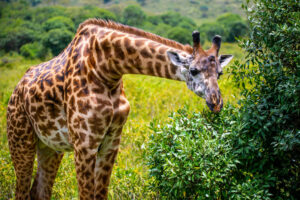
Visitors can expect to encounter large herds of buffalo, zebra, wildebeest, and impala grazing across the open plains. Giraffes are commonly seen feeding on acacia trees, while elephants move gracefully through the grasslands and woodlands.
Mikumi is particularly famous for its lion population. The park’s lions are often observed resting beneath trees, patrolling territories, or hunting across the floodplain. Their visibility makes Mikumi one of the best places in Tanzania to see lions in their natural habitat.
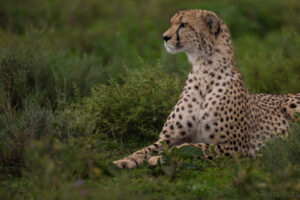
Leopards are present but more elusive, requiring patience and luck to spot. Hyenas are commonly seen during both day and night game drives, while jackals and other smaller predators add to the diversity of carnivores within the park.
The park is also home to hippos and crocodiles, especially around the hippo pools where visitors can observe these fascinating animals from designated viewing platforms.
Although black rhinos once inhabited the area, they are no longer commonly found within the park. However, the abundance of other wildlife more than compensates for their absence.
The Famous Mkata Floodplain
The Mkata Floodplain is widely regarded as the wildlife-viewing centerpiece of Mikumi National Park. This expansive grassland ecosystem attracts large concentrations of animals throughout the year.
The open terrain allows visitors to spot wildlife from considerable distances, making game drives particularly rewarding. Herds of zebras, wildebeest, buffaloes, and impalas roam the plains, while predators often follow in search of prey.
The floodplain’s resemblance to the Serengeti has earned Mikumi a reputation as one of Tanzania’s most underrated safari destinations. Photographers especially appreciate the vast open vistas, dramatic skies, and excellent lighting conditions found in this area.
Morning and late afternoon game drives across the floodplain often produce memorable sightings, including lion prides, elephants, giraffes, and a variety of antelope species.
Birdwatching in Mikumi
Mikumi National Park is a paradise for bird enthusiasts. More than 400 bird species have been recorded within the park, making it one of Tanzania’s premier birdwatching destinations.
The diversity of habitats supports a remarkable variety of resident and migratory birds. Open grasslands, wetlands, rivers, and woodlands each provide unique opportunities for bird observation.
Visitors may encounter lilac-breasted rollers, yellow-throated longclaws, bateleur eagles, fish eagles, hornbills, kingfishers, bee-eaters, and numerous species of weavers. During the rainy season, migratory birds from Europe and Asia further enrich the park’s avian diversity.
The hippo pools and wetland areas are particularly productive for birdwatching, attracting waterbirds such as herons, storks, pelicans, and egrets.
For photographers, Mikumi offers exceptional opportunities to capture colorful birdlife against stunning natural backdrops.
Safari Activities in Mikumi National Park
Game drives remain the most popular activity in Mikumi. The extensive network of roads allows visitors to explore different habitats while maximizing wildlife viewing opportunities.
Morning game drives are ideal for observing predators and animals during their most active hours. Afternoon drives provide excellent opportunities for photography as the golden light illuminates the landscape.
Night game drives, where available through authorized operators, offer the chance to encounter nocturnal wildlife such as civets, genets, bush babies, and hunting predators.
Walking safaris provide a completely different perspective of the African wilderness. Accompanied by experienced guides and armed rangers, visitors can learn about animal tracks, plants, insects, and ecological relationships often overlooked during vehicle-based safaris.
Birdwatching excursions are increasingly popular, especially among specialized travelers seeking to document rare and colorful species.
Photography safaris also attract visitors eager to capture the park’s wildlife and landscapes in optimal lighting conditions.
Self-Drive Safaris in Mikumi
Mikumi National Park is among the best destinations in Tanzania for self-drive safaris. Its accessibility, relatively straightforward road network, and abundant wildlife make it an excellent choice for independent travelers.
Many visitors rent fully equipped 4×4 vehicles with camping gear and rooftop tents to explore the park at their own pace. Self-driving allows flexibility in scheduling game drives and spending more time at wildlife sightings.
The roads within the park are generally manageable during the dry season, although a four-wheel-drive vehicle is recommended. During the rainy season, certain tracks may become muddy and require additional caution.
For travelers seeking adventure and independence, Mikumi offers one of East Africa’s most rewarding self-drive safari experiences.
Best Time to Visit Mikumi National Park
Mikumi can be visited throughout the year, but each season offers distinct advantages.
The dry season, typically from June to October, is considered the best time for wildlife viewing. During these months, vegetation is less dense and animals congregate around water sources, making them easier to locate.
The cooler temperatures and reduced rainfall also create comfortable conditions for game drives and camping.
The wet season, which generally occurs between November and May, transforms the park into a lush green landscape. While wildlife may be more dispersed, the scenery becomes exceptionally beautiful, and birdwatching reaches its peak due to the arrival of migratory species.
Photographers often appreciate the dramatic skies and vibrant colors that characterize the rainy season.
Ultimately, the best time to visit depends on individual interests, whether focused on wildlife viewing, birdwatching, photography, or avoiding peak tourist periods.
Accommodation Options
Mikumi National Park offers a wide range of accommodation options suitable for different budgets and travel styles.
Luxury lodges provide spacious rooms, excellent dining, swimming pools, and guided safari experiences. These properties cater to travelers seeking comfort and personalized service.
Mid-range safari camps offer a balance between affordability and comfort while maintaining a close connection to nature.
Budget travelers can choose from guesthouses, campsites, and basic safari camps that provide essential facilities without compromising the safari experience.
Camping remains a popular option among self-drive travelers and adventure enthusiasts. Spending a night under the African sky surrounded by the sounds of wildlife creates unforgettable memories.
Mikumi as Part of the Southern Safari Circuit
Mikumi serves as an excellent gateway to Tanzania’s Southern Safari Circuit. Many travelers combine Mikumi with neighboring destinations to create longer and more diverse safari itineraries.
Nyerere National Park, one of Africa’s largest protected areas, lies within easy reach and offers boat safaris, walking safaris, and exceptional wildlife viewing.
The nearby Udzungwa Mountains National Park provides a completely different experience with hiking trails, waterfalls, and endemic primate species.
Ruaha National Park, Tanzania’s largest national park, can also be combined with Mikumi for a more extensive southern Tanzania safari adventure.
These combinations allow visitors to experience diverse ecosystems and wildlife encounters while avoiding the crowds commonly associated with northern Tanzania.
Conservation and Community Impact
Mikumi National Park plays a vital role in wildlife conservation and sustainable tourism development in Tanzania.
The park protects critical habitats for numerous species while supporting ecological connectivity between neighboring protected areas. Conservation efforts help maintain biodiversity and ensure the survival of wildlife populations.
Tourism revenue generated by the park contributes to local economies through employment opportunities, community development projects, and infrastructure improvements.
Many nearby communities benefit directly from tourism-related businesses, including guiding services, accommodation facilities, transportation, and handicraft sales.
Responsible tourism practices help ensure that Mikumi continues to serve both conservation and community interests for generations to come.
Why Mikumi Should Be on Your Tanzania Safari Bucket List
Mikumi National Park offers a unique combination of accessibility, wildlife abundance, scenic beauty, and authentic safari experiences. Unlike some of Tanzania’s more famous parks, Mikumi allows visitors to enjoy outstanding game viewing without feeling overwhelmed by tourist traffic.
The park’s open landscapes make wildlife spotting easy, while its diverse habitats support a remarkable variety of species. Whether you are embarking on your first African safari or returning to Tanzania for another adventure, Mikumi provides unforgettable encounters with nature.
Its proximity to Dar es Salaam makes it ideal for short trips, while its connection to the Southern Safari Circuit opens the door to longer and more immersive wildlife journeys.
From lions roaming the Mkata Floodplain to elephants wandering through acacia woodlands and colorful birds filling the skies, Mikumi delivers the essence of an African safari in a setting that remains wonderfully unspoiled.
Conclusion
Mikumi National Park stands as one of Tanzania’s most underrated safari destinations. Combining exceptional wildlife viewing, diverse landscapes, excellent accessibility, and a relaxed atmosphere, the park offers everything that travelers seek in an authentic African safari experience.
Whether you choose a luxury lodge, a guided safari, or an adventurous self-drive expedition, Mikumi rewards visitors with unforgettable encounters and breathtaking scenery. Its strategic location, rich biodiversity, and role within Tanzania’s Southern Safari Circuit make it an essential destination for anyone exploring East Africa.
For travelers seeking a safari that combines convenience, affordability, and abundant wildlife, Mikumi National Park truly represents one of Tanzania’s greatest hidden treasures.