
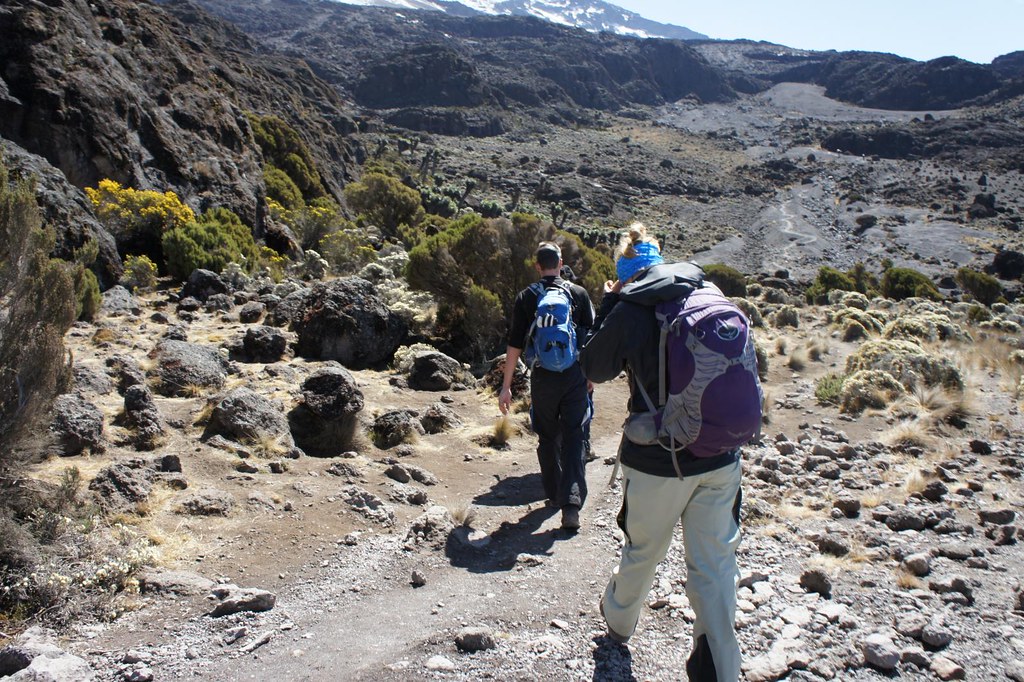
Kilimanjaro National Park: Tanzania’s Crown Jewel and Home of Africa’s Highest Mountain
Introduction
Kilimanjaro National Park is one of Africa’s most iconic protected areas and one of the most celebrated travel destinations in the world. Located in northern Tanzania, the park is home to Mount Kilimanjaro, the highest mountain in Africa and the tallest free-standing mountain on Earth. Rising majestically to 5,895 meters (19,341 feet) above sea level, Mount Kilimanjaro attracts tens of thousands of adventurers, nature lovers, photographers, and wildlife enthusiasts every year.
While many people know Kilimanjaro for its famous summit, the national park offers much more than mountain climbing. It encompasses diverse ecosystems, ranging from lush rainforests and alpine meadows to barren volcanic landscapes and snow-covered peaks. The park is also rich in wildlife, birdlife, cultural heritage, and breathtaking scenery, making it one of Tanzania’s most treasured natural attractions.
Whether you are planning to climb to the summit, enjoy a day hike, explore the surrounding communities, or include the park in a broader Tanzania safari itinerary, Kilimanjaro National Park promises an unforgettable experience.
History of Kilimanjaro National Park
Kilimanjaro has long been an important landmark for the local Chagga people who have lived on its slopes for centuries. The mountain has inspired myths, legends, and cultural traditions that continue to shape local life today.
European explorers first documented Mount Kilimanjaro in the nineteenth century. The sight of a snow-capped mountain near the equator fascinated explorers and scientists from around the world. In 1889, German geographer Hans Meyer became the first recorded person to reach the summit.
Recognizing the mountain’s ecological importance, the Tanzanian government established Kilimanjaro National Park in 1973. The park was officially opened to visitors in 1977 and later designated a UNESCO World Heritage Site in 1987 due to its exceptional natural significance.
Today, Kilimanjaro National Park is managed by Tanzania National Parks (TANAPA) and remains one of the country’s most important conservation areas and tourism attractions.
Location and Accessibility
Kilimanjaro National Park is situated in the Kilimanjaro Region of northeastern Tanzania, close to the Kenyan border. The park lies approximately:
- 45 kilometers from Moshi
- 80 kilometers from Arusha
- 300 kilometers from Nairobi, Kenya
The nearest international gateway is Kilimanjaro International Airport (JRO), which receives flights from various international and regional destinations. Visitors can also arrive through Julius Nyerere International Airport in Dar es Salaam or through Nairobi before connecting to Moshi or Arusha.
The town of Moshi serves as the main base for most Kilimanjaro expeditions. The town offers hotels, restaurants, equipment rental services, and tour operators specializing in mountain trekking.
Geography and Geological Formation
Mount Kilimanjaro is a dormant volcanic massif consisting of three distinct volcanic cones:
Kibo
Kibo is the highest and youngest volcanic cone. It contains Uhuru Peak, the highest point in Africa. Kibo remains dormant and is considered capable of future volcanic activity, although no major eruptions have occurred in recorded history.
Mawenzi
Mawenzi is the second-highest peak at 5,149 meters. Its rugged and jagged appearance makes it one of the most dramatic mountain formations in East Africa.
Shira
Shira is the oldest volcanic cone and has largely collapsed into a plateau. The Shira Plateau now serves as one of the most scenic trekking areas on the mountain.
The geological history of Kilimanjaro dates back approximately one million years when volcanic activity along the East African Rift System created the mountain.
Climate and Weather
One of Kilimanjaro’s most fascinating features is its wide range of climatic zones. Climbers can experience several different ecosystems during a single ascent.
Cultivation Zone
Located at the mountain’s lower slopes, this zone features fertile agricultural land where local communities grow coffee, bananas, maize, and vegetables.
Rainforest Zone
The rainforest zone receives abundant rainfall and supports dense vegetation. This area is rich in biodiversity and provides habitat for many animal species.
Heath and Moorland Zone
As altitude increases, forests give way to giant heathers, shrubs, and unique alpine plants.
Alpine Desert Zone
This harsh environment features extreme temperature variations, sparse vegetation, and volcanic landscapes.
Arctic Summit Zone
The highest section of Kilimanjaro is characterized by glaciers, snowfields, ice formations, and freezing temperatures.
Biodiversity and Wildlife
Although Kilimanjaro is primarily known for trekking, the park supports impressive biodiversity.
Mammals
Visitors may encounter:
- African buffalo
- Bushbuck
- Blue monkeys
- Black-and-white colobus monkeys
- Duikers
- Elephants
- Leopards (rarely seen)
- Hyraxes
The rainforest zone contains the highest concentration of wildlife due to its abundant water and vegetation.
Birdlife
Bird enthusiasts can observe more than 180 bird species, including:
- Hartlaub’s turaco
- Crowned eagle
- White-necked raven
- Silvery-cheeked hornbill
- Tacazze sunbird
- Malachite sunbird
The variety of habitats creates excellent birdwatching opportunities throughout the park.
The Famous Kilimanjaro Climb
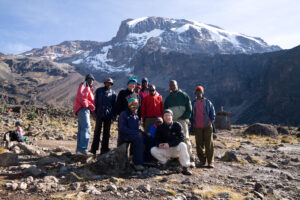
Climbing Mount Kilimanjaro is considered one of the world’s greatest trekking adventures. Unlike many high mountains, Kilimanjaro can be climbed without technical mountaineering skills.
Thousands of climbers attempt the summit every year, drawn by the challenge of reaching Africa’s rooftop.
Why Climb Kilimanjaro?
Climbers choose Kilimanjaro because:
- It is the highest mountain in Africa.
- No technical climbing skills are required.
- The scenery changes dramatically throughout the ascent.
- It offers a unique personal challenge.
- The summit achievement is recognized globally.
Kilimanjaro Climbing Routes
Marangu Route
Known as the “Coca-Cola Route,” Marangu is the only route with mountain huts rather than tents.
Advantages include:
- Comfortable accommodations
- Well-established infrastructure
- Suitable for beginners
Machame Route
The Machame Route is often called the “Whiskey Route.”
Advantages include:
- Scenic landscapes
- Better acclimatization opportunities
- High summit success rates
Lemosho Route
This route is regarded as one of the most beautiful approaches to the mountain.
Advantages include:
- Lower traffic
- Excellent scenery
- Strong acclimatization profile
Rongai Route
Approaching from the northern side, Rongai offers a quieter experience.
Advantages include:
- Drier conditions
- Less crowded trails
- Distinct landscapes
Northern Circuit
The longest route on Kilimanjaro.
Advantages include:
- Highest summit success rates
- Excellent acclimatization
- Remote wilderness experience
Umbwe Route
A steep and challenging route recommended for experienced hikers.
Advantages include:
- Direct ascent
- Fewer crowds
- Dramatic scenery
Reaching Uhuru Peak
Uhuru Peak represents the ultimate goal for most climbers. Summit attempts typically begin around midnight, allowing climbers to reach the peak at sunrise.
Standing on Africa’s highest point is an emotional and rewarding achievement. The panoramic views stretch across Tanzania and Kenya, offering unforgettable memories.
Day Hikes in Kilimanjaro National Park
Not every visitor wants to summit the mountain. Fortunately, Kilimanjaro National Park offers excellent day-hiking opportunities.
Popular options include:
Marangu Gate to Mandara Hut
A rewarding rainforest hike suitable for most fitness levels.
Shira Plateau Excursions
Ideal for photography and landscape enthusiasts.
Maundi Crater Walk
Offers beautiful views of the surrounding region and nearby Kenya.
The Chagga People and Cultural Experiences
The Chagga people have inhabited Kilimanjaro’s slopes for generations. Their culture is deeply connected to the mountain.
Visitors can enjoy:
- Traditional village tours
- Coffee farm visits
- Cultural performances
- Historical site exploration
- Local cuisine experiences
Learning about Chagga traditions adds depth and authenticity to any Kilimanjaro journey.
Waterfalls Around Kilimanjaro
The fertile slopes of the mountain are home to numerous waterfalls.
Popular waterfalls include:
Materuni Waterfalls
Located near Moshi, Materuni is among the most visited waterfalls in the region.
Kinukamori Falls
Less crowded and surrounded by lush vegetation.
Ndoro Waterfalls
A hidden gem offering tranquility and scenic beauty.
These waterfalls can be visited as standalone excursions or combined with cultural tours.
Conservation Importance
Kilimanjaro National Park plays a critical role in conservation.
The park protects:
- Watersheds supplying millions of people
- Unique alpine ecosystems
- Endemic plant species
- Wildlife habitats
- Important forest resources
Conservation efforts help maintain biodiversity while supporting sustainable tourism.
Climate Change and Kilimanjaro’s Glaciers
One of the greatest concerns facing Kilimanjaro is the shrinking of its glaciers.
Scientific studies indicate that the mountain’s ice fields have declined significantly over the past century. Rising temperatures and changing weather patterns continue to threaten these iconic features.
Visitors today have a unique opportunity to witness the remaining glaciers before further changes occur.
Photography Opportunities
Kilimanjaro National Park is a dream destination for photographers.
Highlights include:
- Snow-covered summit views
- Sunrise and sunset landscapes
- Wildlife encounters
- Giant groundsels and lobelias
- Rainforest scenery
- Star-filled night skies
Each elevation zone provides unique photographic subjects and dramatic contrasts.
Best Time to Visit
Kilimanjaro can be visited year-round, but certain periods offer better conditions.
January to March
Advantages:
- Clear skies
- Cooler temperatures
- Fewer climbers
June to October
Advantages:
- Dry weather
- Excellent visibility
- Popular climbing season
April and May
Heavy rains can make trekking more challenging but result in lush scenery and fewer visitors.
November
Short rains occur, though trekking remains possible.
Accommodation Options
Visitors can choose from a wide range of accommodations around Moshi and Arusha.
Options include:
Budget Accommodation
Suitable for backpackers and budget travelers.
Mid-Range Lodges
Offering comfort, convenience, and good value.
Luxury Hotels and Resorts
Providing premium services, spa facilities, and stunning mountain views.
Many climbers spend a night before and after their expedition in Moshi.
Combining Kilimanjaro with a Tanzania Safari
One of the greatest advantages of visiting Kilimanjaro is its proximity to Tanzania’s famous safari destinations.
Popular combinations include:
Serengeti National Park
Witness incredible wildlife and the Great Migration.
Ngorongoro Conservation Area
Explore the world-famous Ngorongoro Crater.
Tarangire National Park
Known for large elephant populations and giant baobab trees.
Lake Manyara National Park
Famous for tree-climbing lions and birdlife.
Combining trekking and safari creates a complete Tanzania adventure.
Travel Tips for Visitors
To maximize your experience:
Prepare Physically
Regular hiking and cardiovascular training improve summit success.
Choose the Right Route
Longer routes generally provide better acclimatization.
Stay Hydrated
Proper hydration helps reduce altitude sickness risks.
Pack Appropriate Gear
Layered clothing is essential due to varying temperatures.
Use Experienced Guides
Professional guides improve safety and overall experience.
Purchase Travel Insurance
Comprehensive coverage is highly recommended for mountain trekking.
Why Kilimanjaro National Park Should Be on Your Bucket List
Few destinations in the world combine adventure, natural beauty, cultural heritage, and personal achievement quite like Kilimanjaro National Park. Whether you are standing beneath towering rainforest trees, trekking through alpine deserts, watching the sunrise from Uhuru Peak, or learning about Chagga traditions, every moment on Kilimanjaro feels extraordinary.
The park offers far more than a mountain climb. It is a journey through multiple ecosystems, a celebration of Tanzania’s natural heritage, and an opportunity to challenge yourself in one of the world’s most remarkable landscapes.
For travelers seeking an unforgettable African adventure, Kilimanjaro National Park remains one of the continent’s most inspiring destinations. From first-time hikers to experienced trekkers, wildlife enthusiasts, photographers, and cultural explorers, Kilimanjaro continues to captivate visitors from around the globe and stands proudly as the ultimate symbol of Tanzania’s natural beauty.