
Arusha National Park: Tanzania’s Most Scenic Safari Destination
Introduction
Nestled at the foot of the majestic Mount Meru, Arusha National Park is one of Tanzania’s most beautiful yet often overlooked safari destinations. While many travelers dream of the vast plains of the Serengeti National Park or the wildlife-rich crater of the Ngorongoro Conservation Area, those who venture into Arusha National Park discover a remarkable landscape that combines forests, lakes, mountains, waterfalls, and abundant wildlife within a relatively small area.
Located just a short drive from Arusha city, the park offers a completely different safari experience from the more famous destinations of northern Tanzania. Instead of endless savannahs stretching to the horizon, visitors encounter lush montane forests, volcanic craters, sparkling alkaline lakes, and the towering silhouette of Mount Meru. The result is a destination that feels intimate, diverse, and incredibly rewarding for nature lovers, photographers, birdwatchers, and adventure seekers alike.
For many travelers, Arusha National Park serves as their first introduction to Tanzania’s wilderness. Its proximity to Kilimanjaro International Airport makes it easily accessible immediately upon arrival, and its rich variety of landscapes provides a perfect preview of the natural wonders that make Tanzania one of Africa’s premier safari destinations.
A Park Defined by Diversity
What makes Arusha National Park so special is the extraordinary variety of ecosystems packed into a relatively compact area. Covering approximately 552 square kilometers, the park offers a remarkable range of habitats that change dramatically as you travel from one section to another.
A morning game drive may begin in dense rainforest where shafts of sunlight filter through towering trees and black-and-white colobus monkeys leap effortlessly through the canopy. An hour later, visitors may find themselves overlooking a vast volcanic crater teeming with wildlife before continuing to the tranquil shores of the Momella Lakes, where flamingos gather against a backdrop of Mount Meru.
This diversity gives Arusha National Park a character unlike any other protected area in Tanzania. It is a destination where every turn in the road reveals a new landscape and a different wildlife experience. Rather than focusing solely on large mammals, the park invites visitors to appreciate the intricate relationship between geology, vegetation, wildlife, and water that has shaped this remarkable environment over thousands of years.
The Magnificent Presence of Mount Meru
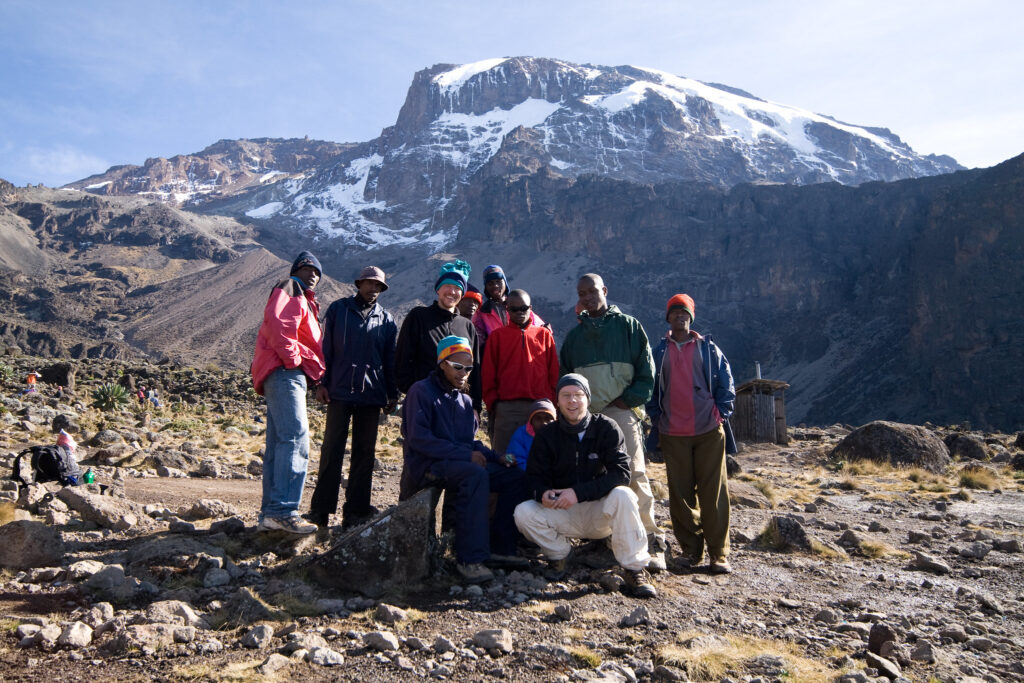
The defining feature of Arusha National Park is undoubtedly Mount Meru. Rising to an impressive 4,566 meters above sea level, it is Tanzania’s second-highest mountain and one of Africa’s most spectacular volcanoes. Its towering presence dominates the park and provides a dramatic backdrop to almost every safari activity.
Unlike its famous neighbor, Mount Kilimanjaro, Mount Meru receives far fewer visitors. Yet many experienced trekkers consider it one of the most rewarding mountains in Africa. The volcano’s rugged cliffs, dense forests, alpine meadows, and stunning summit views create an unforgettable trekking experience.
Even for those who do not intend to climb the mountain, Mount Meru plays a central role in the park’s beauty. Early mornings often reveal the mountain emerging above a blanket of mist, while sunsets paint its slopes in shades of gold, orange, and purple. Throughout the day, its volcanic profile serves as a constant reminder of the geological forces that shaped northern Tanzania.
The mountain also provides an essential water catchment area that supports the forests, wetlands, and lakes throughout the park. Without Mount Meru, the rich ecosystems that define Arusha National Park would simply not exist.
Exploring the Momella Lakes
One of the most enchanting areas of the park is the Momella Lakes region. These shallow alkaline lakes are scattered across the landscape, each possessing its own unique color and character. Depending on the season, mineral content, and sunlight conditions, the lakes can appear blue, green, turquoise, or even pink.
The scenery around the lakes is breathtaking. Open grasslands blend into wooded areas while Mount Meru rises majestically in the distance. The tranquil waters reflect clouds drifting across the sky, creating picture-perfect scenes that attract photographers from around the world.
Wildlife is never far away in the Momella Lakes area. Giraffes often wander along the shoreline while buffaloes graze in nearby grasslands. Water birds gather in impressive numbers, creating a lively spectacle of movement and sound. Flamingos, in particular, add a splash of color to the landscape, transforming sections of the lakes into vibrant shades of pink.
The peaceful atmosphere of the Momella Lakes provides a welcome contrast to the more dramatic landscapes elsewhere in the park. It is a place where visitors can slow down, absorb the beauty of their surroundings, and appreciate the subtle details of nature.
Ngurdoto Crater: The Little Ngorongoro
Hidden within the park is another geological wonder known as Ngurdoto Crater. Often referred to as the “Little Ngorongoro,” this volcanic crater offers spectacular views and a rich concentration of wildlife.
From designated viewpoints, visitors can gaze across the crater floor and observe a landscape that appears almost untouched by time. Dense forests line the crater walls while open grasslands and marshes occupy the floor below. Buffaloes, warthogs, and various antelope species roam freely through this secluded environment.
Unlike the more famous Ngorongoro Crater, Ngurdoto remains relatively quiet and uncrowded. This sense of solitude enhances the experience, allowing visitors to appreciate the natural beauty and wildlife without distraction.
The crater is a reminder of the volcanic origins that shaped much of northern Tanzania. Its dramatic appearance and ecological importance make it one of the highlights of any visit to Arusha National Park.
Wildlife Encounters in Arusha National Park
Although Arusha National Park is not known for large predators in the same way as the Serengeti, it offers exceptional opportunities to observe a wide variety of wildlife in a peaceful setting.
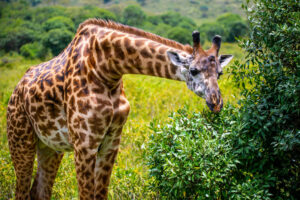
One of the first animals many visitors encounter is the giraffe. Arusha National Park supports one of the highest concentrations of giraffes in Tanzania, and seeing these graceful giants moving across the landscape against the backdrop of Mount Meru is a memorable experience. Their calm demeanor and striking appearance make them a favorite subject for photographers.
Buffaloes are another common sight. Often found grazing in open areas or resting near wetlands, these powerful animals play an important role in the park’s ecosystem. Zebras, warthogs, waterbucks, bushbucks, and various other antelope species also contribute to the park’s rich biodiversity.
While large predators are less commonly seen, the absence of intense predator-prey drama allows visitors to focus on other aspects of the natural world. The park’s wildlife experience is less about chasing the “Big Five” and more about appreciating the beauty, behavior, and diversity of East Africa’s animals.
A Paradise for Primates
Few places in Tanzania offer primate viewing opportunities as rewarding as Arusha National Park. The park’s forests provide ideal habitat for several monkey species, and encounters with these fascinating animals are often among the most memorable moments of a safari.
The black-and-white colobus monkey is perhaps the park’s most iconic primate. With its flowing white tail and striking black coat, it is one of Africa’s most beautiful monkeys. Watching a troop move gracefully through the treetops is a captivating sight that leaves a lasting impression on visitors.
Blue monkeys are also commonly encountered in the forested sections of the park. Their curious nature and active behavior provide endless entertainment for observers. Meanwhile, large troops of olive baboons can often be seen along roadsides and forest clearings.
These primates add a unique dimension to the safari experience, highlighting the incredible diversity of life that thrives within the park’s varied habitats.
Birdwatching Excellence
For bird enthusiasts, Arusha National Park is nothing short of paradise. More than 400 bird species have been recorded within its boundaries, making it one of Tanzania’s premier birdwatching destinations.
The diversity of habitats supports an equally diverse bird population. Forests shelter colorful turacos and hornbills, while wetlands attract herons, egrets, and kingfishers. The alkaline lakes provide feeding grounds for flamingos and numerous migratory species.
Even visitors with little prior interest in birdwatching often find themselves captivated by the sheer variety and beauty of the birds they encounter. From the call of an African fish eagle echoing across a lake to the flash of brilliant feathers in the forest canopy, birdlife enriches every safari experience in the park.
The Unique Experience of Walking Safaris
One of the most distinctive attractions of Arusha National Park is the opportunity to explore the wilderness on foot. Unlike many safari destinations where visitors remain inside vehicles at all times, Arusha National Park allows guided walking safaris accompanied by armed rangers.
Walking through the African bush creates a completely different connection with nature. Every sound becomes more noticeable, every track on the ground tells a story, and every animal encounter feels more immediate. Visitors gain a deeper appreciation for the intricate details of the ecosystem that are often overlooked during traditional game drives.
Standing on foot just a short distance from a giraffe or zebra is an experience that few travelers ever forget. It transforms the safari from a simple sightseeing activity into a truly immersive adventure.
Canoeing Among Wildlife
Another unique activity offered within the park is canoeing on the Momella Lakes. Gliding silently across the water provides a perspective that is impossible to achieve from a vehicle.
As paddles gently break the surface, visitors can observe water birds feeding along the shoreline and watch wildlife grazing nearby. The peaceful atmosphere allows for moments of reflection and quiet appreciation of the natural surroundings.
The combination of canoeing, walking safaris, game drives, and mountain trekking makes Arusha National Park one of the most diverse adventure destinations in Tanzania.
Best Time to Visit
Arusha National Park can be visited throughout the year, with each season offering its own unique advantages.
During the dry season, wildlife tends to be easier to spot as animals congregate around reliable water sources. Clear skies also provide excellent views of Mount Meru and, on particularly favorable days, even distant glimpses of Kilimanjaro.
The green season transforms the park into a lush paradise. Forests become vibrant, flowers bloom, and birdlife reaches its peak as migratory species arrive. Photographers often prefer this period because of the rich colors and dramatic landscapes created by seasonal rains.
Regardless of when you visit, the park offers exceptional natural beauty and memorable wildlife experiences.
Conclusion
Arusha National Park may not receive the same international attention as Tanzania’s larger safari destinations, but those who visit quickly understand why it is considered one of the country’s hidden treasures. Its extraordinary blend of volcanic landscapes, mountain scenery, lush forests, tranquil lakes, and abundant wildlife creates an experience that is both diverse and deeply rewarding.
Whether you are admiring flamingos on the Momella Lakes, watching colobus monkeys leap through ancient forests, standing at the edge of Ngurdoto Crater, or gazing up at the imposing slopes of Mount Meru, every moment in Arusha National Park feels connected to the natural rhythms of East Africa.
For travelers seeking more than a traditional safari, Arusha National Park offers something truly special—a chance to experience Tanzania’s wilderness from multiple perspectives while enjoying some of the most spectacular scenery in the country. It is a destination that surprises, inspires, and leaves visitors with a deeper appreciation for the remarkable natural heritage of Tanzania.