
Saadani National Park: Where the African Bush Meets the Indian Ocean
Introduction
Imagine watching a herd of elephants wander across golden savannah grasslands while the sound of crashing ocean waves echoes in the distance. Picture a safari where you can spend the morning spotting giraffes and buffalo, enjoy a boat cruise among hippos and crocodiles in the afternoon, and finish the day walking barefoot along a deserted beach as the sun sinks into the Indian Ocean.
This is not a dream destination created for travel brochures. It is Saadani National Park, one of Tanzania’s most extraordinary and least-known safari destinations.
Unlike any other wildlife reserve in East Africa, Saadani National Park is the only national park where the African bush meets the beach. Located along Tanzania’s northern coastline between Dar es Salaam and Tanga, Saadani offers an experience that combines wildlife, marine scenery, river ecosystems, cultural history, and coastal relaxation into a single unforgettable adventure.
While destinations such as Serengeti and Ngorongoro dominate Tanzania’s tourism industry, Saadani remains one of the country’s best-kept secrets. Travelers who venture here discover a unique wilderness where elephants roam near the ocean, lions patrol coastal plains, and dolphins can occasionally be spotted offshore.
For visitors seeking a safari experience away from crowds, Saadani delivers an authentic and peaceful encounter with nature that is increasingly rare in today’s world.
The History of Saadani National Park
Long before becoming a national park, the area around Saadani was known as an important coastal settlement. The historic village of Saadani was once a thriving trading center connecting inland Tanzania with the Indian Ocean trade routes.
Arab traders, Swahili merchants, and European explorers all passed through the region over centuries. The village became part of the extensive East African trade network that linked the African interior with Arabia, Persia, and India.
The area’s wildlife was initially protected through the establishment of the Saadani Game Reserve in 1969. Recognizing the ecological significance of the region and its diverse habitats, the Tanzanian government upgraded it to national park status in 2005.
Today, Saadani National Park covers approximately 1,100 square kilometers and protects a remarkable blend of coastal forests, savannahs, mangroves, river systems, and marine environments.
Location and Accessibility
Saadani National Park lies on Tanzania’s Indian Ocean coast approximately 130 kilometers northwest of Dar es Salaam.
Its strategic location makes it one of the most accessible national parks in Tanzania.
Visitors can reach the park through several options:
By Road
Traveling by road from Dar es Salaam takes approximately four to six hours depending on road conditions and entry gates used.
The journey itself is scenic, passing through coastal villages, coconut plantations, and rural Tanzanian landscapes.
By Air
Charter and scheduled flights operate from Dar es Salaam, Zanzibar, Arusha, and other safari destinations.
Flying significantly reduces travel time and provides spectacular aerial views of the coastline and surrounding wilderness.
From Zanzibar
One of Saadani’s greatest advantages is its proximity to Zanzibar.
Many travelers combine a Zanzibar beach holiday with a short safari in Saadani, creating an ideal bush-and-beach itinerary without long domestic transfers.
What Makes Saadani Unique?
Tanzania boasts some of Africa’s most famous wildlife destinations, but Saadani offers something entirely different.
Most safari parks focus exclusively on wildlife viewing. Saadani combines multiple ecosystems into a single destination.
Here, visitors can experience:
- Traditional game drives
- River safaris
- Coastal exploration
- Birdwatching
- Cultural tourism
- Beach relaxation
- Marine wildlife encounters
The ability to move from savannah to shoreline within minutes is something no other East African national park can offer.
Landscapes of Saadani National Park
One of the park’s greatest attractions is its remarkable diversity of landscapes.
Coastal Beaches
The park’s coastline stretches for approximately 30 kilometers along the Indian Ocean.
These beaches are pristine, uncrowded, and largely untouched.
Unlike popular tourist beaches elsewhere in East Africa, visitors often have entire stretches of sand completely to themselves.
The beaches also serve as nesting grounds for endangered green turtles.
Savannah Plains
Large sections of the park consist of open grasslands dotted with acacia trees.
These areas provide habitat for many of the park’s larger mammals including giraffes, buffalo, and antelope species.
River Ecosystems
The Wami River forms one of Saadani’s most important ecological features.
Its waters attract numerous animals throughout the year and support thriving populations of hippos and crocodiles.
Mangrove Forests
Mangrove ecosystems line parts of the coast and river estuaries.
These forests play a crucial role in protecting the coastline, filtering water, and providing nursery habitats for fish and marine species.
Coastal Forests
Rare coastal forests add another layer of biodiversity to the park.
These habitats support various bird species, monkeys, reptiles, and unique plant communities.
Wildlife of Saadani National Park
Although Saadani may not support the immense wildlife concentrations found in Serengeti, it offers excellent game viewing opportunities.
The park’s diverse habitats support a wide variety of species.
Elephants
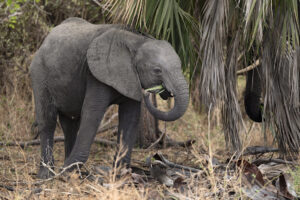
Elephants are among the most iconic residents of Saadani.
Seeing elephants against the backdrop of the Indian Ocean creates some of the most memorable wildlife photography opportunities in East Africa.
Giraffes
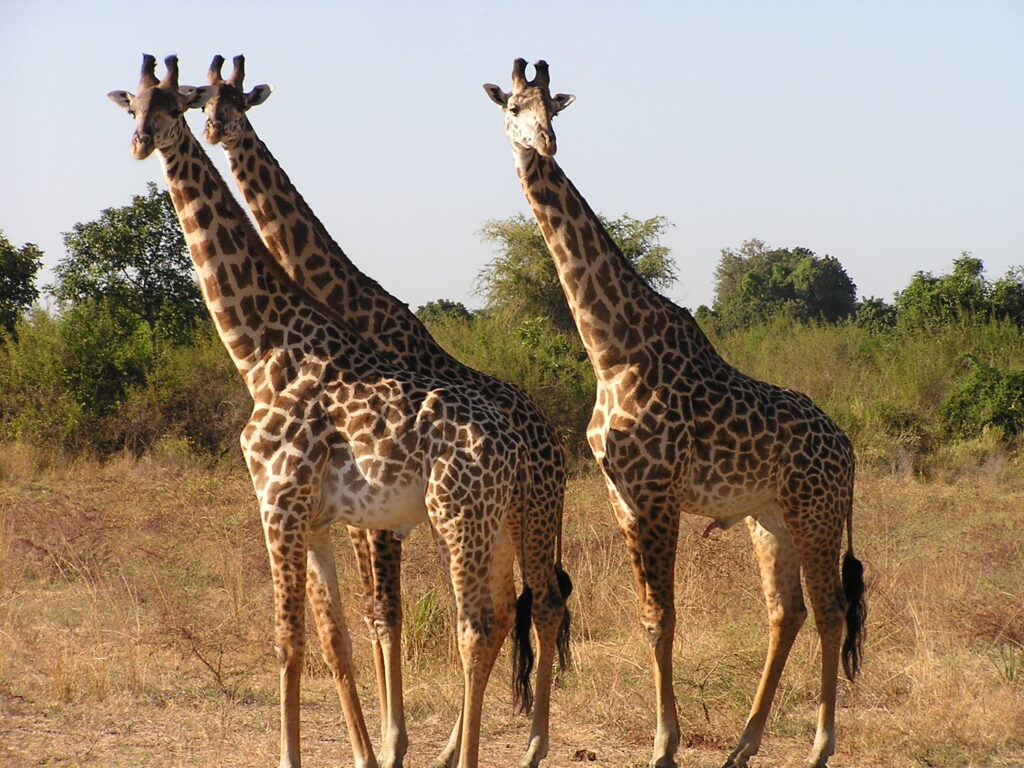
Large populations of giraffes roam the park’s open plains.
Their graceful silhouettes against coastal sunsets are a photographer’s dream.
Buffalo
Buffalo are common throughout the park and can often be seen grazing near water sources.
Zebras
Several zebra herds inhabit the savannah regions and frequently appear during game drives.
Wildebeest
While not present in the enormous numbers seen during the Serengeti migration, wildebeest contribute to the park’s rich wildlife diversity.
Waterbuck
Waterbuck are commonly spotted near rivers and wetlands.
Their shaggy coats and preference for aquatic habitats make them easy to identify.
Warthogs
These charismatic animals are frequently encountered throughout the park.
Visitors often enjoy watching their amusing behavior and distinctive running style.
Predators of Saadani
Saadani is home to several predator species.
Lions
Lions inhabit the park’s savannah regions and are occasionally spotted during game drives.
Because the park receives fewer visitors than major safari destinations, lion sightings often feel especially exclusive.
Leopards
Leopards are present but elusive.
Patience and experienced guides significantly improve chances of finding them.
Hyenas
Spotted hyenas play an important ecological role as both hunters and scavengers.
Their calls often echo through the wilderness after sunset.
The Wami River Experience
For many visitors, a boat safari along the Wami River becomes the highlight of their trip.
Unlike game drives, river safaris offer a completely different perspective on the ecosystem.
As the boat glides quietly through the water, wildlife appears from every direction.
Hippos emerge from beneath the surface.
Crocodiles bask along muddy banks.
Birds fly overhead while monkeys leap through riverside vegetation.
The peaceful pace of river exploration allows visitors to appreciate details often missed during vehicle-based safaris.
Sunset cruises are particularly magical, with golden reflections dancing across the water as animals gather at the river’s edge.
Birdwatching Paradise
Bird enthusiasts consider Saadani one of Tanzania’s hidden gems.
More than 300 bird species have been recorded within the park.
Habitats ranging from mangroves and wetlands to grasslands and forests attract an impressive variety of birds.
Common sightings include:
- African fish eagles
- Kingfishers
- Bee-eaters
- Herons
- Egrets
- Flamingos
- Hornbills
- Sunbirds
- Pelicans
- Storks
Migratory birds arriving from Europe and Asia further enhance seasonal birdwatching opportunities.
Sea Turtles and Marine Life
Saadani’s coastline supports important nesting sites for green sea turtles.
During nesting season, female turtles emerge from the ocean under cover of darkness to lay eggs in the sand.
Conservation efforts help protect nests from predators and human disturbance.
Offshore waters also support:
- Dolphins
- Various fish species
- Marine invertebrates
- Coral reef ecosystems
The connection between terrestrial and marine habitats makes Saadani ecologically unique among Tanzania’s protected areas.
Safari Activities in Saadani National Park
Game Drives
Traditional game drives remain the most popular activity.
Morning and late-afternoon drives typically provide the best wildlife viewing opportunities.
The relatively low visitor numbers mean vehicles rarely crowd around wildlife sightings.
Boat Safaris
The Wami River boat safari is one of Saadani’s signature experiences.
It offers exceptional opportunities to observe wildlife from a different perspective.
Walking Safaris
Guided walking safaris allow visitors to experience the African bush on foot.
Walking through the wilderness heightens awareness of sounds, scents, tracks, and smaller creatures often overlooked from vehicles.
Beach Walks
The park’s coastline offers opportunities for peaceful walks along pristine beaches.
These excursions provide a refreshing contrast to traditional safari activities.
Birdwatching
Dedicated birding excursions attract enthusiasts from around the world.
The variety of habitats creates year-round birdwatching opportunities.
Cultural Tours
Nearby communities offer cultural experiences that showcase Swahili traditions and local lifestyles.
Accommodation in Saadani National Park
Visitors can choose from various accommodation styles depending on budget and preferences.
Luxury Lodges
Luxury safari lodges provide comfortable rooms, excellent cuisine, and personalized service.
Many properties are strategically located to maximize wildlife viewing opportunities.
Tented Camps
Tented camps offer a classic safari atmosphere while maintaining modern comforts.
Sleeping beneath canvas brings guests closer to nature without sacrificing convenience.
Mid-Range Lodges
Several mid-range options provide excellent value while still offering comfortable facilities and guided safari activities.
Camping
Adventure travelers can enjoy camping experiences that immerse them directly in the sounds and atmosphere of the African wilderness.
Best Time to Visit Saadani National Park
Saadani can be visited throughout the year, but conditions vary by season.
Dry Season (June to October)
This period generally offers the best wildlife viewing.
Vegetation is thinner, making animals easier to spot.
Wildlife also concentrates around water sources.
Short Dry Season (January to February)
Another excellent period for safaris with pleasant weather and good road conditions.
Green Season (March to May)
Heavy rains transform the landscape into lush green scenery.
Birdwatching becomes exceptional, although some roads may become challenging.
Combining Saadani with Other Destinations
One of Saadani’s greatest strengths is its flexibility within larger Tanzanian itineraries.
Popular combinations include:
Saadani and Zanzibar
This pairing creates a seamless bush-and-beach experience.
Travelers can enjoy wildlife encounters followed by tropical island relaxation.
Saadani and Dar es Salaam
The park serves as an excellent escape from Tanzania’s bustling commercial capital.
Northern Tanzania Circuit
Visitors can combine iconic destinations such as Tarangire, Serengeti, and Ngorongoro with Saadani for a more diverse safari experience.
Conservation Importance
Saadani National Park plays a vital role in biodiversity conservation.
The park protects:
- Coastal ecosystems
- Savannah habitats
- River systems
- Mangrove forests
- Marine environments
Its unique location creates an ecological bridge between terrestrial and marine conservation efforts.
Protection of these habitats benefits both wildlife and local communities that depend on healthy ecosystems.
Photography Opportunities
Photographers are often amazed by Saadani’s diversity.
Unique photographic opportunities include:
- Elephants near the ocean
- Sunrise over the Indian Ocean
- Hippos in the Wami River
- Coastal birdlife
- Beach landscapes
- Savannah sunsets
- Mangrove forests
The combination of safari and coastal scenery creates images rarely found elsewhere in Africa.
Why Saadani Remains a Hidden Gem
Despite its remarkable features, Saadani receives far fewer visitors than Tanzania’s famous northern parks.
For travelers, this is a major advantage.
The absence of large crowds creates a sense of exclusivity and wilderness that can be difficult to find in more heavily visited destinations.
Wildlife encounters feel intimate and authentic.
Game drives are peaceful.
Beaches remain uncrowded.
The overall experience is relaxed and immersive.
Final Thoughts
Saadani National Park stands apart from every other safari destination in East Africa.
Its unique combination of wildlife, beaches, rivers, forests, and cultural heritage creates an experience unlike any other. Here, visitors can watch elephants roam coastal plains, cruise among hippos on the Wami River, explore mangrove forests, and relax on deserted beaches—all within the same day.
For travelers seeking something beyond the traditional safari circuit, Saadani offers a rare opportunity to experience Tanzania’s natural beauty from multiple perspectives. It is a destination where the rhythms of the African wilderness blend seamlessly with the soothing sounds of the Indian Ocean.
Whether you are a first-time visitor to Tanzania or a seasoned safari enthusiast looking for a new adventure, Saadani National Park delivers an unforgettable journey into one of Africa’s most unique and captivating landscapes.