
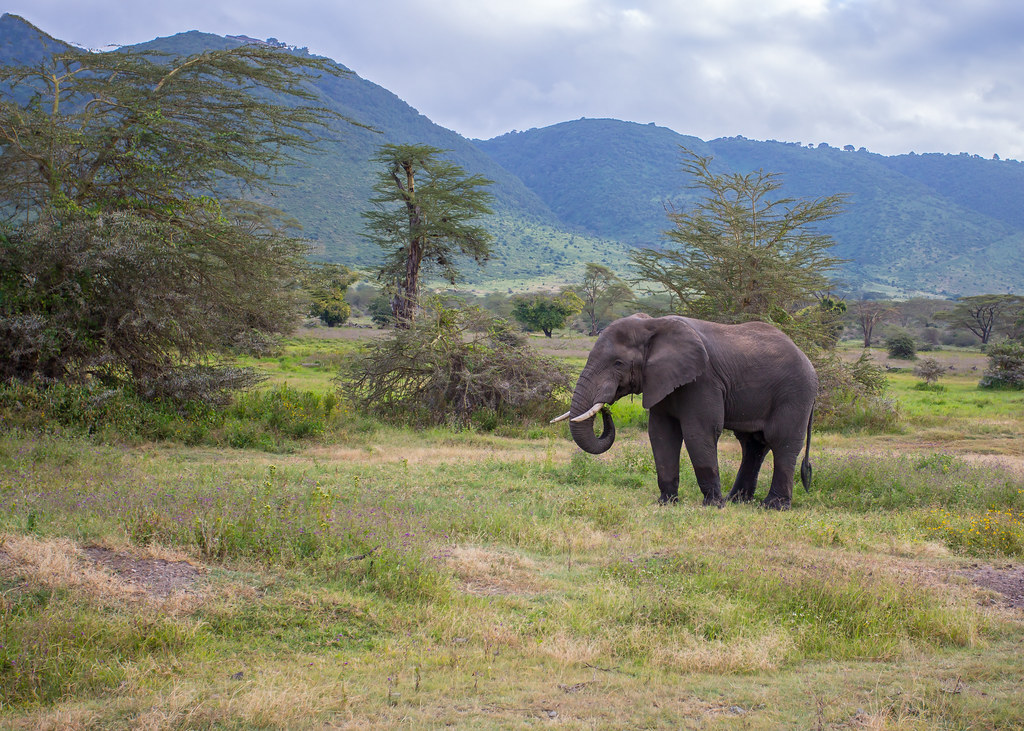
Tarangire National Park: Tanzania’s Hidden Safari Gem and the Land of Giants
When travelers dream of a Tanzanian safari, their minds often wander immediately to the endless plains of the Serengeti or the famous wildlife-filled crater of Ngorongoro. Yet tucked away in northern Tanzania lies one of the country’s most spectacular and rewarding wildlife destinations: Tarangire National Park. Often described as Tanzania’s hidden safari gem, Tarangire offers an unforgettable blend of abundant wildlife, dramatic landscapes, ancient baobab trees, and a sense of wilderness that has become increasingly rare in Africa’s most famous safari destinations.
Covering approximately 2,850 square kilometers, Tarangire National Park is the sixth-largest national park in Tanzania and forms an important part of the country’s renowned Northern Safari Circuit. Despite receiving fewer visitors than some of its neighboring parks, many experienced safari enthusiasts consider Tarangire to be among the finest wildlife destinations in East Africa. Its combination of large elephant herds, diverse ecosystems, and relatively low tourist traffic creates an authentic safari experience that appeals to both first-time visitors and seasoned African travelers.
The park derives its name from the Tarangire River, a permanent water source that acts as a lifeline for wildlife throughout the dry season. This river transforms the park into a wildlife magnet, attracting thousands of animals from surrounding areas and creating one of the most remarkable concentrations of wildlife in Tanzania. During certain times of the year, Tarangire rivals even the Serengeti in terms of animal density, making it one of the best places in Africa to witness wildlife in its natural habitat.
The Location and Importance of Tarangire National Park
Tarangire National Park is located in northern Tanzania, approximately 120 kilometers southwest of Arusha, the main gateway to Tanzania’s safari destinations. Its strategic location makes it an ideal starting point for travelers embarking on a Northern Circuit safari that includes Lake Manyara, Ngorongoro Conservation Area, and Serengeti National Park.
The park occupies a unique position within a much larger ecosystem that extends beyond its official boundaries. Wildlife moves freely between Tarangire and neighboring conservation areas, creating seasonal migration patterns that have existed for centuries. These movements are driven primarily by rainfall and the availability of water and grazing opportunities.
Unlike some African parks that consist mainly of open grasslands, Tarangire presents a fascinating mosaic of habitats. Visitors encounter rolling savannahs, dense acacia woodlands, riverine forests, seasonal swamps, and rocky outcrops. This diversity of landscapes supports an impressive variety of wildlife species and contributes significantly to the park’s ecological importance.
One of the first things visitors notice upon entering Tarangire is the feeling of space and solitude. The park often receives only a fraction of the visitor numbers seen in nearby safari destinations, allowing guests to enjoy wildlife sightings without large crowds of vehicles. This sense of exclusivity is one of the reasons why many safari veterans rank Tarangire among their favorite parks in Africa.
The Legendary Elephant Kingdom
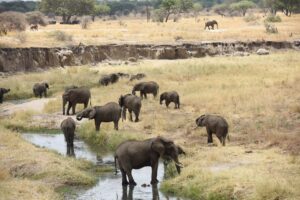
Perhaps no animal is more closely associated with Tarangire than the African elephant. The park is widely regarded as one of the best places in East Africa to observe these magnificent giants in large numbers. During the dry season, visitors frequently encounter herds numbering several hundred individuals, creating some of the most impressive elephant sightings anywhere on the continent.
Watching elephants in Tarangire is a deeply moving experience. Family groups gather around the river, mothers guide their calves through dusty trails, and enormous bulls roam the landscape with a sense of quiet authority. The sheer size of some of the park’s tuskers leaves a lasting impression on visitors.
Elephants play a crucial role in shaping Tarangire’s ecosystem. Their feeding habits influence vegetation patterns, create pathways used by other animals, and contribute to the dispersal of seeds across the landscape. In many ways, the character of Tarangire itself has been shaped by generations of elephants.
Researchers have spent decades studying elephant populations within the Tarangire ecosystem, making it one of the most important conservation areas for the species in Tanzania. The presence of healthy elephant populations is not only a major tourist attraction but also a powerful indicator of the park’s ecological health.
The Lifeline of the Park: The Tarangire River
At the heart of the park lies the Tarangire River, a permanent watercourse that sustains wildlife throughout the year. During the rainy season, animals can find water across a broader area, but as the dry season progresses, the river becomes increasingly important.
By June and continuing through October, vast numbers of animals begin migrating toward the river. Wildebeest, zebras, buffaloes, giraffes, antelopes, and elephants converge on the area in search of water and fresh grazing opportunities. This annual concentration of wildlife creates exceptional game-viewing opportunities.
Predators also take advantage of these gatherings. Lions patrol riverbanks, leopards stalk prey through riverine forests, and spotted hyenas remain alert for opportunities. Every visit to the river carries the possibility of witnessing dramatic wildlife interactions.
For photographers, the Tarangire River provides countless opportunities to capture iconic safari images. Reflections in the water, animals silhouetted against the setting sun, and herds gathering at waterholes create scenes that define the African wilderness experience.
A Landscape Dominated by Ancient Baobabs
One of Tarangire’s most distinctive features is its abundance of baobab trees. These remarkable giants dominate the landscape and contribute to the park’s unique visual identity. Some baobabs found within Tarangire are believed to be hundreds, if not thousands, of years old.
Their massive trunks appear almost unreal, as though they have been planted upside down with roots stretching toward the sky. These trees are perfectly adapted to survive harsh conditions, storing enormous quantities of water during rainy periods and gradually releasing it during dry seasons.
Baobabs provide shelter and food for a wide variety of wildlife. Elephants often strip bark from the trees to access moisture, while birds use cavities in the trunks as nesting sites. During certain seasons, baboons and other animals feed on the fruits produced by these ancient giants.
For many visitors, the baobabs become one of the most memorable aspects of their safari. Their dramatic silhouettes against colorful African sunsets create photographs that instantly evoke the spirit of Tanzania.
Exceptional Wildlife Diversity
Although elephants may be the park’s most famous residents, Tarangire supports an extraordinary variety of wildlife species. More than ninety mammal species have been recorded within the ecosystem, ensuring that every game drive offers opportunities for exciting discoveries.
Large herbivores dominate much of the landscape. Visitors commonly encounter zebras, wildebeests, giraffes, buffaloes, waterbucks, impalas, and warthogs. Elands, the largest antelope species in Africa, can also be found within the park.
Tarangire is particularly notable for species that are less frequently encountered elsewhere on the Northern Circuit. The elegant fringe-eared oryx and the shy lesser kudu are among the park’s special attractions. Spotting these animals often becomes a highlight for experienced safari-goers.
The abundance of herbivores naturally supports a healthy predator population. Lions are regularly observed throughout the park and are known to hunt a variety of prey species. Leopards prefer the dense vegetation near river systems, while cheetahs utilize open grasslands where they can take advantage of their speed.
Spotted hyenas are common and play an important ecological role as both hunters and scavengers. African wild dogs occasionally move through the ecosystem, providing lucky visitors with the chance to observe one of Africa’s most endangered predators.
A Paradise for Bird Enthusiasts
Birdwatchers consider Tarangire one of Tanzania’s finest birding destinations. More than 500 bird species have been recorded within the park, making it a year-round paradise for ornithologists and nature enthusiasts.
The park’s diverse habitats support a wide range of resident and migratory species. Wetlands attract waterbirds such as storks, herons, pelicans, and egrets, while woodlands provide ideal conditions for hornbills, bee-eaters, and various species of kingfishers.
Tarangire is particularly famous for its population of yellow-collared lovebirds and the endemic ashy starling. These species attract birdwatchers from around the world who hope to add them to their life lists.
The green season, which typically occurs between November and May, is especially rewarding for bird enthusiasts. Migratory species arrive from Europe and Asia, significantly increasing the park’s avian diversity and creating exceptional birdwatching opportunities.
The Best Time to Visit Tarangire National Park
Tarangire is a year-round safari destination, but the experience varies significantly depending on the season.
The dry season, which generally runs from June through October, is widely regarded as the best time for wildlife viewing. During this period, animals gather around the Tarangire River and other permanent water sources, making sightings easier and more predictable. Vegetation is less dense, improving visibility and increasing opportunities to observe predators.
This is also the period when Tarangire experiences its highest concentration of wildlife. Massive elephant herds, large buffalo groups, and thousands of zebras and wildebeests create an atmosphere of abundance that few parks can match.
The green season offers a different but equally rewarding experience. Rain transforms the landscape into a vibrant mosaic of green vegetation and colorful wildflowers. The scenery becomes particularly attractive for photographers, and visitor numbers decrease considerably.
Birdlife reaches its peak during this period, and many animals give birth, resulting in numerous opportunities to observe young wildlife. While some migratory species disperse beyond park boundaries, the overall safari experience remains exceptional.
Activities in Tarangire National Park
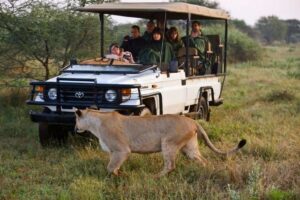
Game drives remain the most popular activity within Tarangire. Morning and afternoon drives provide excellent opportunities to observe wildlife while benefiting from cooler temperatures and increased animal activity.
Some lodges and camps offer guided walking safaris in designated areas surrounding the park. These experiences provide a unique perspective on the ecosystem and allow visitors to appreciate smaller details often overlooked during vehicle-based safaris.
Night drives are available in certain concession areas near the park. These excursions reveal a completely different side of the African wilderness, showcasing nocturnal animals that remain hidden during daylight hours.
Cultural visits to nearby Maasai communities add another dimension to a Tarangire safari. Visitors gain insights into traditional lifestyles, customs, and the longstanding relationship between local communities and wildlife conservation.
Accommodation Options
Tarangire offers accommodation choices suitable for a wide range of budgets and travel styles. Luxury lodges provide exceptional comfort, gourmet dining, and spectacular views overlooking the wilderness. Many feature private decks, swimming pools, and personalized service.
Mid-range tented camps combine comfort with an authentic safari atmosphere. Guests enjoy close connections to nature while still benefiting from comfortable beds, private bathrooms, and excellent hospitality.
Budget campsites provide affordable options for adventurous travelers and self-drive safari enthusiasts. Camping beneath the stars while listening to the sounds of the African bush is an unforgettable experience that many visitors consider the highlight of their journey.
Why Tarangire Deserves a Place on Every Tanzania Safari
Tarangire National Park possesses a rare combination of qualities that make it one of Tanzania’s most rewarding safari destinations. The remarkable elephant populations, ancient baobab trees, diverse wildlife, and stunning landscapes create a safari experience that feels both authentic and intimate.
Unlike some of Africa’s more heavily visited parks, Tarangire still retains a sense of discovery. Visitors can spend hours exploring remote corners of the park, encountering wildlife without crowds and enjoying moments of solitude that are increasingly difficult to find elsewhere.
Whether included as part of a larger Northern Circuit itinerary or visited as a destination in its own right, Tarangire consistently exceeds expectations. Many travelers arrive expecting a brief stopover and leave wondering why the park is not more famous.
Conclusion
Tarangire National Park stands as one of Tanzania’s greatest natural treasures. From its giant elephant herds and majestic baobab trees to its thriving predator populations and exceptional birdlife, the park offers a safari experience that rivals any destination in Africa.
Its landscapes tell stories of ancient migrations, seasonal rhythms, and ecological balance. Every river crossing, every elephant encounter, and every sunset beneath a baobab tree contributes to a journey that remains etched in memory long after the safari ends.
For travelers seeking an authentic African wilderness experience, Tarangire National Park is far more than a stop on the Northern Safari Circuit. It is a destination that captures the essence of Tanzania itself—a land of extraordinary wildlife, breathtaking scenery, and timeless natural beauty.