
Nyerere National Park: Tanzania’s Ultimate Wilderness Safari Destination
Introduction
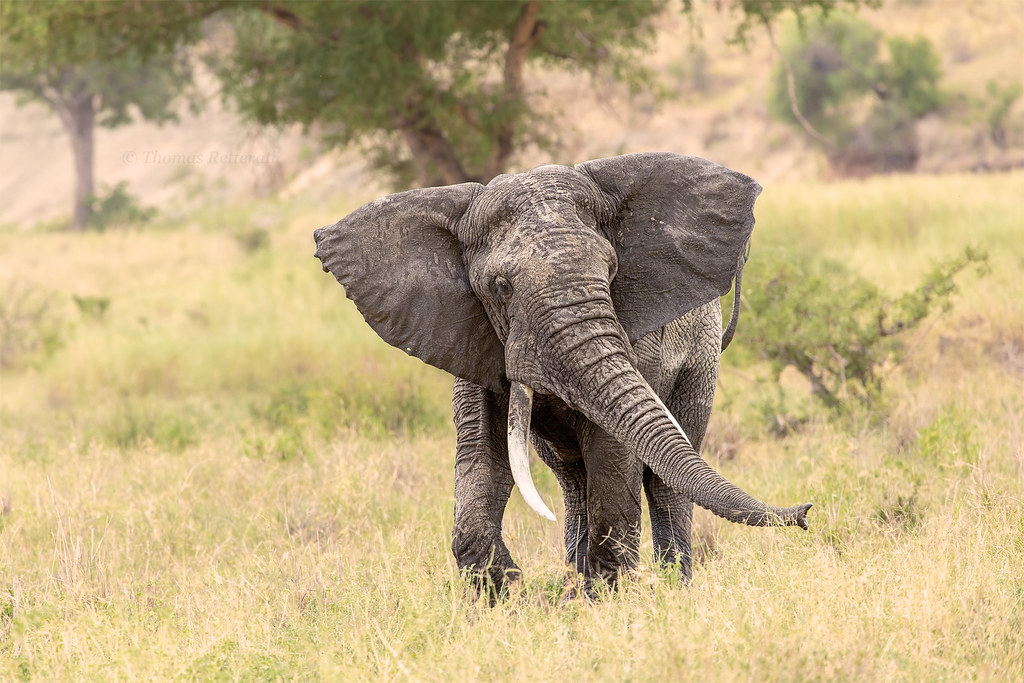
Nyerere National Park is one of Africa’s greatest wilderness areas and one of Tanzania’s most spectacular safari destinations. Covering an immense landscape of rivers, lakes, woodlands, savannahs, and wetlands, the park offers visitors an authentic African safari experience far away from the crowds that often characterize more famous wildlife destinations.
Named after Tanzania’s founding president, Julius Nyerere, the park is a symbol of the country’s commitment to wildlife conservation and sustainable tourism. It forms part of the vast Selous ecosystem, one of the largest protected wildlife areas on the continent.
For travelers seeking adventure, solitude, incredible wildlife encounters, and untouched landscapes, Nyerere National Park provides an unforgettable safari experience. Whether exploring by vehicle, boat, or on foot, visitors are immersed in a pristine wilderness where nature remains largely unchanged.
This guide explores everything you need to know about Nyerere National Park, including its history, wildlife, safari experiences, best times to visit, accommodation options, and why it deserves a place on every safari enthusiast’s bucket list.
The History of Nyerere National Park
The origins of Nyerere National Park are closely linked to the historic Selous Game Reserve, which was established in 1922 and later became one of the world’s largest protected wildlife areas.
The reserve was named after Frederick Courteney Selous, a famous British explorer, hunter, and conservationist who spent much of his life in Africa. Over the decades, Selous gained international recognition for its remarkable biodiversity and vast wilderness.
In 2019, the northern portion of the Selous Game Reserve was officially designated as Nyerere National Park. This move strengthened conservation efforts while creating one of the largest national parks in Africa.
The park was named in honor of Julius Nyerere, Tanzania’s first president, whose vision emphasized environmental protection and responsible stewardship of natural resources.
Today, Nyerere National Park remains one of East Africa’s most important conservation areas and a critical refuge for many endangered species.
Location and Geography
Nyerere National Park is located in southern Tanzania and spans approximately 30,000 square kilometers, making it the largest national park in the country.
The park lies roughly 230 kilometers southwest of Dar es Salaam and can be reached by road or air.
One of the park’s defining features is the Rufiji River, Tanzania’s largest river. The Rufiji and its extensive network of channels, lagoons, and oxbow lakes create a rich ecosystem that supports extraordinary concentrations of wildlife.
The landscape is remarkably diverse and includes:
- Open grasslands
- Miombo woodlands
- Riverine forests
- Swamps and wetlands
- Seasonal floodplains
- Rocky outcrops
This ecological diversity supports an abundance of animals and birds while providing breathtaking scenery throughout the year.
Why Nyerere National Park is Unique
While Tanzania is famous for destinations such as Serengeti National Park and Ngorongoro Crater, Nyerere offers something entirely different.
The park is renowned for its sense of remoteness and exclusivity. Visitors often spend hours exploring without encountering another safari vehicle.
Unlike many safari destinations where wildlife viewing revolves solely around game drives, Nyerere offers multiple ways to experience nature, including:
- Boat safaris
- Walking safaris
- Traditional game drives
- Fly camping adventures
The combination of land and water-based safari activities creates a richer and more diverse wildlife experience.
Another distinguishing feature is the abundance of wild and untouched landscapes. Here, visitors feel like true explorers venturing into one of Africa’s last great wildernesses.
The Rufiji River
The Rufiji River is the lifeblood of Nyerere National Park.
Stretching hundreds of kilometers through southern Tanzania, the river creates a complex network of waterways that support countless species.
Many visitors consider the Rufiji River the highlight of their safari experience. The river offers opportunities to observe wildlife from a unique perspective while drifting through some of the most beautiful scenery in Africa.
Along its banks, visitors commonly encounter:
- Hippos
- Crocodiles
- Elephants
- Buffaloes
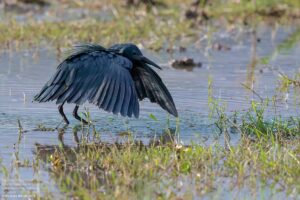
- Waterbirds
- Antelopes
The river becomes especially spectacular during sunset when golden light reflects off the water and animals gather to drink.
Wildlife in Nyerere National Park
One of the biggest reasons travelers visit Nyerere is its extraordinary wildlife.
The park hosts a remarkable variety of species thanks to its diverse habitats and extensive protected areas.
Elephants
Nyerere supports one of Tanzania’s important elephant populations.
Visitors frequently encounter large herds moving through woodlands or gathering near rivers and lakes.
Watching elephants cross waterways or interact within family groups is among the park’s most memorable experiences.
Lions
The park is home to healthy lion populations.
Lions can often be seen resting beneath trees during the day before becoming more active during cooler hours.
Witnessing a lion pride in its natural environment is one of the highlights of a safari in Nyerere.
African Wild Dogs
Nyerere National Park is one of Africa’s best locations for observing endangered African wild dogs.
These highly social predators are among the continent’s most fascinating animals and are rarely seen in many other safari destinations.
The park plays a crucial role in their conservation.
Leopards
Leopards inhabit the woodlands and riverine forests throughout the park.
Although elusive, patient visitors often have rewarding sightings, especially during early morning and evening game drives.
Buffaloes
Large buffalo herds roam across the grasslands and woodlands.
Their impressive numbers contribute significantly to the predator-prey dynamics of the ecosystem.
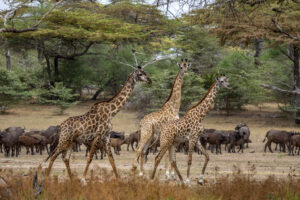
Giraffes
Tanzania’s national animal is commonly seen throughout the park.
The sight of giraffes gracefully moving through acacia woodlands is iconic and unforgettable.
Zebras and Antelopes
Numerous herbivore species inhabit Nyerere, including:
- Plains zebra
- Impala
- Waterbuck
- Bushbuck
- Eland
- Greater kudu
- Warthog
These animals form the foundation of the park’s food chain.
Crocodiles and Hippos
The Rufiji River hosts enormous populations of crocodiles and hippos.
Boat safaris provide exceptional opportunities to observe these remarkable animals up close.
Birdwatching Paradise
Nyerere National Park is one of East Africa’s premier birdwatching destinations.
More than 440 bird species have been recorded in the ecosystem.
Bird enthusiasts can expect to see:
- African fish eagle
- Saddle-billed stork
- Goliath heron
- Kingfishers
- Bee-eaters
- Pelicans
- Hornbills
- African skimmers
The variety of habitats creates ideal conditions for both resident and migratory birds.
Photography enthusiasts often find endless opportunities for capturing spectacular birdlife.
Safari Activities in Nyerere National Park
Game Drives
Game drives remain the most popular activity in the park.
Morning and afternoon drives provide opportunities to encounter a wide range of animals while exploring diverse habitats.
Experienced guides help visitors locate wildlife and explain the ecological relationships within the ecosystem.
Boat Safaris
Boat safaris distinguish Nyerere from many other safari destinations.
Traveling along the Rufiji River allows visitors to approach wildlife quietly and observe animals from unique angles.
Boat safaris frequently reveal:
- Crocodiles sunbathing on riverbanks
- Hippo pods
- Drinking elephants
- Bird colonies
- Buffalo herds
Sunset boat safaris are particularly memorable.
Walking Safaris
Walking safaris provide a completely different perspective on the African wilderness.
Accompanied by armed guides and experienced trackers, visitors learn about:
- Animal tracks
- Plants and trees
- Bird calls
- Insects
- Ecological interactions
Walking through the bush creates a deeper appreciation for the environment and often becomes a safari highlight.
Fly Camping
For adventurous travelers, fly camping offers an extraordinary wilderness experience.
Guests spend the night in temporary camps set up in remote areas of the park.
Sleeping under the stars while listening to distant lions and hyenas creates unforgettable memories.
Best Time to Visit Nyerere National Park
The park can be visited year-round, but conditions vary significantly between seasons.
Dry Season (June to October)
The dry season is widely considered the best time for wildlife viewing.
Advantages include:
- Easier animal sightings
- Sparse vegetation
- Pleasant temperatures
- Reduced mosquito activity
Animals congregate around permanent water sources, making wildlife encounters more predictable.
Green Season (November to May)
The rainy season transforms the park into a lush paradise.
Benefits include:
- Beautiful green landscapes
- Excellent birdwatching
- Fewer tourists
- Dramatic photography opportunities
While some roads may become challenging, the scenery is exceptionally rewarding.
Accommodation Options
Nyerere National Park offers a range of accommodations catering to different travel styles and budgets.
Luxury Lodges
Luxury lodges provide exceptional comfort and personalized service.
Typical features include:
- Spacious suites
- Fine dining
- Swimming pools
- Private decks
- Exclusive safari experiences
Tented Camps
Tented camps combine adventure with comfort.
Guests enjoy immersive bush experiences while still benefiting from comfortable amenities.
Many camps are situated along the Rufiji River, offering spectacular views.
Mobile Camps
Mobile camps provide a more authentic safari atmosphere.
These camps allow visitors to experience the wilderness while maintaining a close connection to nature.
Photography Opportunities
Nyerere National Park is a dream destination for photographers.
Its diverse habitats, abundant wildlife, and beautiful light create endless possibilities for stunning images.
Popular photography subjects include:
- Elephant herds
- Lions
- River landscapes
- Birdlife
- Sunsets
- Boat safari scenes
The relative absence of crowds enables photographers to take their time and capture unique compositions.
Conservation Importance
Nyerere National Park plays a critical role in wildlife conservation across East Africa.
The park protects:
- Endangered African wild dogs
- Elephants
- Lions
- Rare bird species
- Important river ecosystems
Conservation efforts focus on:
- Anti-poaching initiatives
- Habitat protection
- Community engagement
- Sustainable tourism
By visiting the park, travelers contribute directly to the preservation of this extraordinary ecosystem.
How to Get There
By Air
The quickest and most convenient way to reach Nyerere National Park is by scheduled or charter flights from Dar es Salaam, Zanzibar, Arusha, and other safari destinations.
Several airstrips serve different sections of the park.
Flight times are generally around one hour from Dar es Salaam.
By Road
Travelers can also reach the park by road.
The drive from Dar es Salaam typically takes between five and seven hours, depending on road conditions and destination within the park.
Road travel offers opportunities to observe rural Tanzania and enjoy scenic landscapes along the way.
Combining Nyerere with Other Destinations
Nyerere National Park pairs exceptionally well with other Tanzanian attractions.
Popular combinations include:
Nyerere and Zanzibar
This combination offers the perfect blend of wildlife and beach relaxation.
Visitors can enjoy thrilling safari adventures before unwinding on Zanzibar’s beautiful coastline.
Nyerere and Ruaha National Park
Together, these parks showcase the best of southern Tanzania’s wilderness.
The combination provides exceptional wildlife viewing and fewer crowds than northern safari circuits.
Nyerere and Mikumi National Park
This itinerary is ideal for travelers seeking a diverse southern Tanzania safari experience.
Travel Tips for Visitors
To maximize your experience in Nyerere National Park:
- Pack lightweight neutral-colored clothing.
- Bring binoculars for wildlife viewing.
- Carry a good camera with zoom capability.
- Stay hydrated during activities.
- Follow guide instructions at all times.
- Respect wildlife and maintain safe distances.
- Consider combining different safari activities for a richer experience.
Conclusion
Nyerere National Park is one of Africa’s last great wilderness areas and an outstanding safari destination for travelers seeking authenticity, adventure, and extraordinary wildlife encounters.
From the winding waters of the Rufiji River to vast woodlands teeming with elephants, lions, giraffes, and wild dogs, the park delivers a safari experience unlike any other. Its unique blend of game drives, boat safaris, walking adventures, and remote landscapes creates opportunities for exploration that few destinations can match.
Whether you are a first-time safari traveler or a seasoned Africa enthusiast, Nyerere National Park offers a rare chance to experience nature on a grand scale. Away from crowded tourist routes, it remains a place where the rhythms of the wild still dominate and where every journey feels like a true expedition into the heart of Africa.
For those dreaming of an unforgettable Tanzanian safari, Nyerere National Park stands as one of the continent’s most rewarding and inspiring destinations.