
Lake Manyara National Park: Tanzania’s Hidden Safari Paradise
Introduction
Northern Tanzania is home to some of Africa’s most celebrated safari destinations, yet among the vast plains of the Serengeti and the legendary Ngorongoro Crater lies a smaller but incredibly rewarding gem — Lake Manyara National Park. Located along the dramatic Great Rift Valley escarpment, this beautiful park combines breathtaking scenery, diverse ecosystems, rich birdlife, and remarkable wildlife encounters within a compact and accessible landscape.
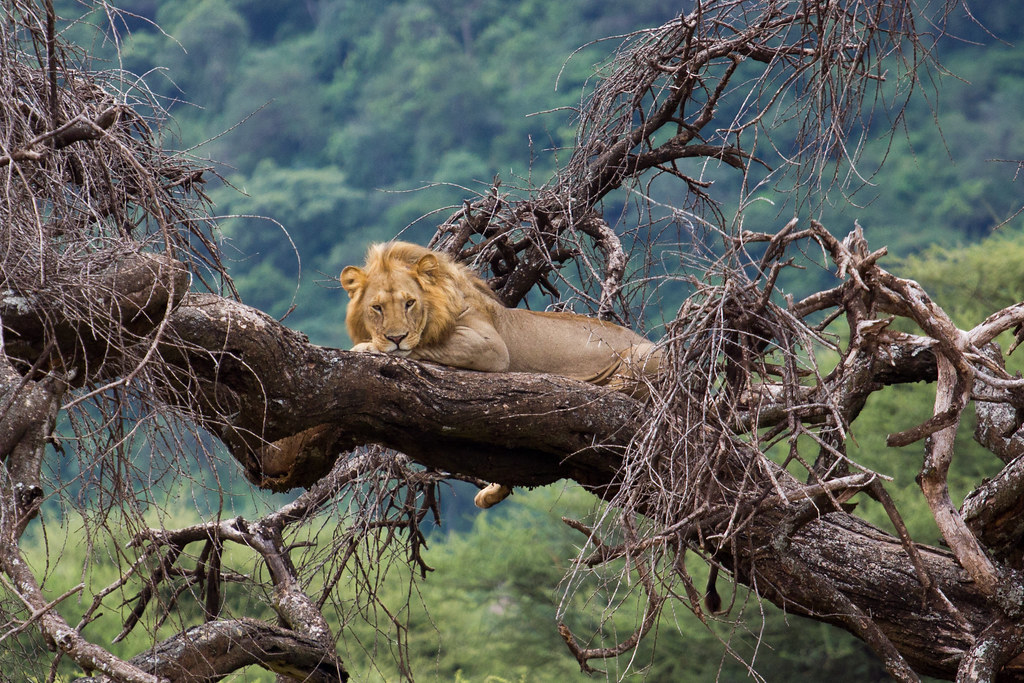
For many travelers, Lake Manyara serves as the gateway to Tanzania’s famous Northern Safari Circuit. However, this park is far more than a stopover destination. It is a unique wilderness where elephants wander through dense forests, flamingos gather along shimmering alkaline waters, and lions lounge high in acacia trees.
Despite covering a relatively modest area, Lake Manyara National Park offers one of the most varied safari experiences in East Africa. Within a single day, visitors can explore tropical groundwater forests, open savannahs, swamps, hot springs, and the vast soda lake itself. The park’s ecological diversity creates a spectacular environment that supports hundreds of animal and bird species throughout the year.
Whether you are planning your first safari, searching for a family-friendly wildlife destination, or adding another highlight to your East African adventure, Lake Manyara National Park promises unforgettable experiences surrounded by some of Tanzania’s most beautiful scenery.
Where Is Lake Manyara National Park?
Lake Manyara National Park is situated in northern Tanzania between Arusha and the Ngorongoro Highlands. The park lies approximately 125 kilometers southwest of Arusha, making it one of the easiest safari parks to reach from the region’s main tourism hub.
The park forms part of Tanzania’s renowned Northern Circuit safari route together with Serengeti National Park, Tarangire National Park, and the Ngorongoro Conservation Area. Because of its strategic location, many safari itineraries include Lake Manyara as either the first or final stop during a northern Tanzania safari.
The park stretches along the edge of the Great Rift Valley and is dominated by the alkaline Lake Manyara, which expands and contracts depending on seasonal rainfall. During the wet season, the lake can cover a large percentage of the park’s total area.
The Story Behind Lake Manyara
The name “Manyara” is believed to originate from the Maasai word emanyara, referring to the spiky protective hedges traditionally built around Maasai homesteads. The Maasai people have lived in this region for centuries and continue to maintain strong cultural ties to the land.
Lake Manyara National Park was officially established in 1960 to protect the lake ecosystem and surrounding wildlife habitats. Over the years, the park has become internationally recognized for its ecological importance, scenic beauty, and extraordinary biodiversity.
Today, the park plays a critical role in wildlife conservation, environmental protection, and sustainable tourism in Tanzania.
A Landscape Unlike Any Other
One of the reasons travelers fall in love with Lake Manyara National Park is the incredible diversity of landscapes packed into a relatively small area.
The Great Rift Valley Escarpment
The towering escarpment forms the western boundary of the park and creates a spectacular natural backdrop for safari drives. Rising dramatically above the valley floor, the escarpment contributes to the park’s unique climate and supports underground water systems that nourish the forests below.
Morning light illuminating the cliffs creates some of the most beautiful safari scenery in Tanzania.
The Alkaline Lake
Lake Manyara itself is the centerpiece of the park. The shallow soda lake attracts large numbers of flamingos and water birds while reflecting changing colors throughout the day.
During certain seasons, the lake appears pink from thousands of flamingos feeding along the shoreline.
Groundwater Forests
Near the park entrance lies a lush forest fed by underground springs from the Ngorongoro Highlands. Towering mahogany and fig trees create a cool, green environment that feels completely different from the open plains found elsewhere in northern Tanzania.
The forest is rich in wildlife and especially famous for its baboon populations.
Open Grasslands and Marshes
Beyond the forest, visitors encounter floodplains and grassy areas inhabited by zebras, buffaloes, giraffes, and wildebeests. These landscapes provide excellent opportunities for predator sightings and photography.
Hot Springs
At the southern edge of the park are the Maji Moto hot springs, where geothermal activity creates steaming pools and mineral-rich water flows.
These hot springs add another fascinating dimension to Lake Manyara’s already varied environment.
Famous Tree-Climbing Lions
Lake Manyara National Park is globally famous for its tree-climbing lions. While lions in many African parks spend most of their time on the ground, the lions of Lake Manyara are often seen resting in acacia trees.
This unusual behavior has fascinated researchers and safari travelers for decades. Some experts believe the lions climb trees to escape insects, avoid heat on the ground, or gain better visibility of their surroundings.
Spotting one of these lions stretched across tree branches is among the most memorable safari experiences in Tanzania.
Although sightings are never guaranteed, Lake Manyara remains one of the best places in Africa to observe this rare behavior.
Wildlife Encounters in Lake Manyara
Lake Manyara National Park supports a remarkable variety of wildlife despite its relatively small size.
Elephants
The park is especially well known for its elephant population. Large elephant families move through forests and grasslands throughout the year, often providing close and dramatic viewing opportunities.
Watching elephants feeding peacefully beneath giant trees is one of the park’s most iconic experiences.
Giraffes
Masai giraffes roam the woodlands and open plains, gracefully feeding on acacia leaves. Their striking patterns and elegant movements make them favorites among photographers.
Buffaloes and Zebras
Buffalo herds and zebras are common across the grasslands and floodplains. These animals frequently share grazing areas with wildebeests and antelopes.
Hippos
Lake Manyara’s wetlands and pools support healthy hippo populations. Visitors can often observe hippos resting in water during the day before emerging to graze at night.
Primates
The groundwater forest is alive with primates. Olive baboons are particularly abundant and often appear in large social groups near the roads.
Blue monkeys and vervet monkeys are also frequently seen among the trees.
Leopards and Hyenas
Although more elusive, predators such as leopards and spotted hyenas inhabit the park.
Early morning and late afternoon game drives offer the best opportunities to spot these secretive animals.
Birdwatching Paradise
For bird lovers, Lake Manyara National Park is one of the finest birding destinations in East Africa.
More than 400 bird species have been recorded within the park’s diverse ecosystems.
Flamingos
Flamingos are the park’s most famous birds. Their pink feathers create stunning contrasts against the blue and silver colors of the alkaline lake.
Bird numbers fluctuate depending on water conditions and food availability.
Pelicans and Storks
The wetlands attract pelicans, herons, and various stork species, including yellow-billed storks and saddle-billed storks.
Raptors
Birds of prey are commonly observed soaring above the park. African fish eagles, vultures, and crowned eagles are among the species found here.
Forest Birds
The groundwater forest shelters colorful species such as hornbills, turacos, kingfishers, and sunbirds.
The diversity of birdlife ensures rewarding sightings throughout the year.
Best Time to Visit Lake Manyara National Park
Lake Manyara National Park can be visited year-round, but the experience changes with the seasons.
Dry Season
From June to October, wildlife viewing becomes easier as vegetation thins and animals gather around water sources.
This is the most popular safari season because road conditions are excellent and game drives are highly productive.
Green Season
From November to May, rainfall transforms the park into a lush green paradise.
Birdwatching is exceptional during this period, and photographers often prefer the dramatic landscapes and fewer tourist crowds.
Flamingo populations may also increase depending on lake conditions.
Safari Activities
Traditional Game Drives
Game drives remain the main activity within the park. Visitors explore multiple ecosystems while searching for wildlife and enjoying the spectacular scenery.
Morning drives are particularly rewarding due to cooler temperatures and increased animal activity.
Canoe Safaris
During periods of suitable water levels, canoe safaris provide a unique perspective of the lake and surrounding wildlife.
Paddling quietly across the water allows for peaceful encounters with birds and large mammals near the shoreline.
Treetop Walkway
Lake Manyara features one of Tanzania’s few treetop canopy walks.
This elevated walkway allows visitors to experience the forest from above while observing birds, butterflies, and monkeys in the treetops.
Cultural Tours
Travelers can also visit nearby villages to learn about Maasai traditions and local lifestyles.
These experiences add cultural depth to a wildlife safari adventure.
Accommodation Around Lake Manyara
The area surrounding Lake Manyara National Park offers accommodations for every budget and travel style.
Luxury Safari Lodges
Luxury lodges provide elegant rooms, gourmet dining, spa facilities, and breathtaking views overlooking the Rift Valley and lake.
These properties often deliver highly personalized safari experiences.
Mid-Range Lodges
Mid-range options combine comfort and affordability while still offering excellent service and safari access.
Tented Camps
Safari tented camps provide immersive wilderness experiences while maintaining modern comforts.
Sleeping under canvas surrounded by nature creates unforgettable memories.
Budget Campsites
Budget travelers and self-drive adventurers can choose campsites located near the park entrance.
Camping offers a more adventurous and affordable safari option.
Why Lake Manyara Is Perfect for First-Time Safari Travelers
Lake Manyara National Park is often recommended for travelers experiencing Africa for the first time.
Several factors make the park especially beginner-friendly:
- Easy accessibility from Arusha
- Excellent wildlife density
- Compact size for shorter safaris
- Diverse landscapes
- Comfortable accommodation options
- Scenic beauty throughout the year
Because wildlife is relatively easy to find, visitors often enjoy rewarding safari experiences even during short visits.
Combining Lake Manyara With Other Safari Destinations
Lake Manyara is commonly included in longer northern Tanzania safari itineraries.
Tarangire National Park
Tarangire is famous for giant baobab trees and massive elephant herds.
Combining Tarangire with Lake Manyara offers excellent wildlife diversity.
Ngorongoro Conservation Area
The Ngorongoro Crater is one of Africa’s greatest wildlife destinations and lies only a short drive from Lake Manyara.
Serengeti National Park
Many travelers continue from Lake Manyara to the Serengeti for classic savannah landscapes and the Great Migration.
Together, these parks create one of the world’s finest safari circuits.
Photography Opportunities
Photographers love Lake Manyara National Park because of its constantly changing scenery and soft natural light.
The combination of wildlife, forests, lakeshores, escarpments, and dramatic skies creates endless creative possibilities.
Popular photography subjects include:
- Tree-climbing lions
- Flamingos
- Elephants in forests
- Rift Valley landscapes
- Sunsets over the lake
- Hippos in wetlands
The green season is particularly attractive for landscape photography.
Conservation and Sustainable Tourism
Lake Manyara National Park plays an important role in protecting biodiversity and supporting sustainable tourism.
Tourism revenue contributes to wildlife conservation, anti-poaching efforts, infrastructure improvements, and community development projects.
Responsible tourism also creates employment opportunities for local communities and encourages long-term environmental protection.
Visitors are encouraged to travel responsibly by respecting wildlife, minimizing waste, and supporting eco-friendly accommodations.
Travel Tips for Visiting Lake Manyara
What to Pack
Essential safari items include:
- Lightweight neutral-colored clothing
- Binoculars
- Sunscreen
- Camera equipment
- Insect repellent
- Comfortable walking shoes
- Sunglasses and hats
Health and Safety
Travelers should consult healthcare professionals regarding recommended vaccinations and malaria precautions before visiting Tanzania.
Booking Advice
Accommodation near the park can become busy during peak safari season, especially from June to October.
Booking in advance is strongly recommended.
Conclusion
Lake Manyara National Park may not be Tanzania’s largest safari destination, but it is undoubtedly one of its most beautiful and diverse.
The park combines exceptional wildlife, dramatic Rift Valley scenery, rich birdlife, and unique safari experiences within a compact and easily accessible landscape.
From watching elephants move through dense forests to spotting tree-climbing lions and flamingos along the lake shore, every moment in Lake Manyara feels special.
For travelers seeking a safari destination that blends scenery, wildlife, culture, and accessibility, Lake Manyara National Park remains one of Tanzania’s finest hidden treasures.
Whether visited on a short safari or as part of a longer Northern Circuit adventure, the park leaves visitors with unforgettable memories and a deeper appreciation for the natural beauty of East Africa.