
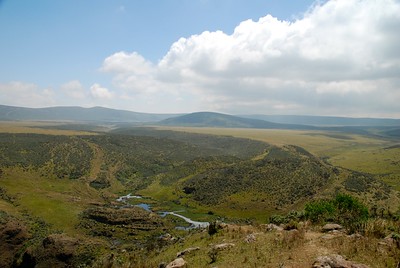
Ngorongoro Conservation Area: Tanzania’s Extraordinary Wildlife and Cultural Wonderland

The Ngorongoro Conservation Area is one of Africa’s most iconic safari destinations and among the most remarkable conservation landscapes in the world. Located in northern Tanzania, this vast protected area combines breathtaking scenery, exceptional wildlife viewing, ancient archaeological discoveries, and vibrant Maasai culture into a single destination unlike any other on earth.
Best known for the world-famous Ngorongoro Crater, the conservation area is often described as a natural wonder. It offers travelers the rare opportunity to witness enormous concentrations of wildlife within a collapsed volcanic caldera while also exploring remote highlands, plains, forests, and archaeological sites that reveal the origins of humankind.
Unlike traditional national parks, Ngorongoro Conservation Area follows a multiple land-use model where wildlife conservation exists alongside human settlement. The Maasai people continue to live and graze livestock within the area, maintaining centuries-old traditions while sharing the landscape with lions, elephants, zebras, wildebeest, and rhinos.
For safari enthusiasts, photographers, researchers, adventurers, and cultural travelers, Ngorongoro represents one of the greatest destinations in Tanzania and all of Africa.
Overview of Ngorongoro Conservation Area

The Ngorongoro Conservation Area covers approximately 8,292 square kilometers in northern Tanzania. It lies between Serengeti National Park and Lake Manyara National Park, forming part of the larger Serengeti ecosystem.
Established in 1959, the conservation area was designed to protect wildlife while allowing local communities, particularly the Maasai, to continue traditional pastoral lifestyles. This balance between conservation and human activity makes Ngorongoro unique among protected areas in Africa.
In 1979, UNESCO declared the area a World Heritage Site because of its ecological importance, exceptional wildlife populations, and archaeological significance.
The area includes:
- Ngorongoro Crater
- Ndutu Plains
- Olduvai Gorge
- Empakaai Crater
- Olmoti Crater
- Highland forests
- Vast grasslands and volcanic landscapes
The conservation area rises from low plains to forested highlands exceeding 3,000 meters above sea level, creating dramatic scenery and varied ecosystems.
The Magnificent Ngorongoro Crater

The Ngorongoro Crater is the centerpiece of the conservation area and one of the most famous natural attractions in Africa.
Formed millions of years ago when a giant volcano collapsed inward after a major eruption, the crater is the world’s largest intact and unfilled volcanic caldera. It measures roughly 19 kilometers across and covers approximately 260 square kilometers.
The crater walls rise dramatically about 600 meters above the crater floor, creating a self-contained ecosystem rich in wildlife and vegetation.
Because water and grazing are available year-round, thousands of animals permanently inhabit the crater. Visitors often describe it as a natural wildlife sanctuary or a “Garden of Eden.”
The crater floor contains:
- Open grasslands
- Swamps
- Acacia forests
- Seasonal lakes
- Freshwater springs
These habitats support a remarkable diversity of wildlife in a relatively small area.
Wildlife in Ngorongoro Conservation Area

Ngorongoro Conservation Area is one of the best wildlife destinations in Africa. The crater alone supports more than 25,000 large animals.
Visitors can encounter:
- Lions
- Elephants
- Buffaloes
- Leopards
- Black rhinos
- Hyenas
- Cheetahs
- Hippos
- Zebras
- Wildebeest
- Gazelles
- Jackals
The conservation area is especially famous for its healthy predator population. Lions are commonly seen resting on the grasslands or hunting wildebeest and zebras.
Hyenas are abundant and highly active throughout the crater. Leopards are more elusive and usually spotted in forested areas around the crater rim.
One of the biggest highlights is the endangered black rhino. Ngorongoro offers one of the best chances in Tanzania to see these rare animals in the wild.
Large tusker elephants inhabit the forested crater slopes. Many of the bulls found here are older males with impressive ivory tusks.
Birdlife is equally spectacular. More than 500 bird species have been recorded in the conservation area, including:
- Flamingos
- Ostriches
- Crowned cranes
- Kori bustards
- Eagles
- Vultures
- Hornbills
Lake Magadi, located on the crater floor, often attracts large flocks of flamingos that create beautiful pink reflections across the water.
The Great Migration and Ndutu Plains

The southern part of Ngorongoro Conservation Area includes the Ndutu Plains, an important section of the Great Migration ecosystem.
Every year, millions of wildebeest, zebras, and gazelles move between the Serengeti and Ngorongoro regions in search of fresh grazing.
From December to March, the migration herds gather on the nutrient-rich short-grass plains of Ndutu for calving season. During this period:
- Thousands of wildebeest calves are born daily
- Predators become highly active
- Wildlife density reaches extraordinary levels
The calving season is considered one of the best safari experiences in Africa. Visitors may witness:
- Lion hunts
- Cheetah chases
- Hyena interactions
- Massive herds stretching across the horizon
The open plains also provide excellent opportunities for wildlife photography.
Maasai Culture and Traditional Life

One of the most distinctive features of Ngorongoro Conservation Area is the coexistence of wildlife and the Maasai people.
The Maasai are semi-nomadic pastoralists known for their colorful clothing, beadwork, livestock traditions, and strong cultural identity. For generations, they have grazed cattle across the highlands and plains of Ngorongoro.
Visitors often encounter Maasai herders walking alongside zebras and wildebeest, creating scenes unique to this conservation landscape.
Cultural experiences in the area may include:
- Visiting Maasai bomas (traditional homesteads)
- Learning about pastoral lifestyles
- Traditional dances and songs
- Exploring Maasai crafts and beadwork
- Understanding traditional medicine and customs
Responsible tourism plays an important role in supporting local communities while preserving cultural heritage.
Olduvai Gorge: Cradle of Humankind

The Olduvai Gorge is one of the world’s most important archaeological sites.
Often called the “Cradle of Humankind,” Olduvai Gorge contains evidence of early human evolution dating back nearly two million years.
The site became internationally famous through the work of archaeologists Louis and Mary Leakey, who discovered fossil remains and ancient stone tools that transformed scientific understanding of human origins.
Visitors to Olduvai Gorge can explore:
- Archaeological excavation sites
- Fossil displays
- Ancient stone tools
- Educational museums
- Interpretive viewpoints
The discoveries made here continue to attract scientists and researchers from around the world.
Scenic Landscapes Beyond the Crater

Although the main crater receives most attention, the wider conservation area contains many other beautiful landscapes.
Empakaai Crater
Empakaai Crater features a deep volcanic caldera with a soda lake occupying much of the crater floor. Flamingos frequently gather around the lake, creating stunning photographic scenes.
The crater rim offers panoramic views extending toward Mount Kilimanjaro on clear days.
Olmoti Crater
Olmoti Crater is known for hiking opportunities and waterfalls. The area offers peaceful walking safaris away from crowds.
Ngorongoro Highlands
The highlands contain forests, rolling hills, volcanic peaks, and traditional Maasai settlements. The cool climate and dramatic scenery create a completely different atmosphere compared to the open savannahs.
Safari Activities in Ngorongoro Conservation Area

Ngorongoro offers a wide range of safari and adventure activities suitable for different travel styles.
Game Drives
Game drives are the most popular activity. Visitors descend into the crater early in the morning for wildlife viewing.
Morning safaris often provide the best opportunities to see predators while temperatures remain cool.
Walking Safaris
Guided walks in the highlands and around smaller craters allow visitors to experience nature on foot while learning about plants, geology, and Maasai traditions.
Birdwatching
The conservation area is a paradise for bird enthusiasts due to its varied habitats and altitude ranges.
Photography Safaris
The dramatic landscapes, wildlife density, and changing light conditions make Ngorongoro a dream destination for photographers.
Cultural Tours
Cultural visits provide deeper insight into Maasai life and traditions.
Best Time to Visit Ngorongoro Conservation Area

Ngorongoro can be visited throughout the year, but different seasons offer different experiences.
Dry Season (June to October)
This is the most popular safari period because:
- Wildlife is easier to spot
- Roads are generally dry
- Temperatures are pleasant
- Visibility is excellent
This season is ideal for classic wildlife safaris.
Green Season (November to May)
The rainy season transforms the landscape into lush green scenery.
Advantages include:
- Fewer tourists
- Beautiful photography conditions
- Migratory birds
- Great Migration calving season in Ndutu
Afternoon showers are common during some months, but wildlife viewing remains excellent.
Accommodation Options

Ngorongoro Conservation Area offers accommodation for every travel style and budget.
Luxury Lodges
High-end crater rim lodges provide:
- Spectacular views
- Fine dining
- Spacious suites
- Premium safari experiences
Mid-Range Camps
Comfortable tented camps and safari lodges offer excellent value while maintaining authentic safari atmospheres.
Budget Camping
Public campsites are available for budget travelers and overland safaris.
Camping inside or near the conservation area provides a closer connection to nature, often accompanied by nighttime sounds of wildlife.
Conservation Challenges

Despite its global importance, Ngorongoro faces several conservation challenges.
These include:
- Increasing tourism pressure
- Human-wildlife conflict
- Climate change
- Habitat management
- Population growth
Balancing conservation with the needs of local communities remains a complex issue.
Conservation authorities continue working to:
- Protect wildlife habitats
- Preserve archaeological resources
- Support sustainable tourism
- Maintain ecological balance
- Involve local communities in conservation efforts
Responsible tourism can help protect this remarkable ecosystem for future generations.
Why Ngorongoro Is One of Africa’s Greatest Safari Destinations

Few destinations in Africa combine such extraordinary diversity within a single protected area.
Ngorongoro offers:
- Exceptional wildlife density
- Spectacular scenery
- Rich Maasai culture
- Ancient human history
- Easy access from northern Tanzania safari circuits
- Opportunities for luxury and budget travel alike
A single day inside the crater can reveal lions hunting, elephants crossing grasslands, flamingos covering soda lakes, and Maasai herders tending cattle along volcanic slopes.
The experience feels timeless and unforgettable.
How to Reach Ngorongoro Conservation Area
The conservation area is easily accessible from Arusha, the main gateway to Tanzania’s northern safari circuit.
Travel options include:
- Road transfers from Arusha
- Domestic flights to nearby airstrips
- Guided safari tours
- Self-drive safaris
The drive from Arusha usually takes around 3 to 4 hours depending on road conditions and stops along the route.
Many travelers combine Ngorongoro with:
- Serengeti National Park
- Tarangire National Park
- Lake Manyara National Park
- Mount Kilimanjaro
- Zanzibar
Tips for Visiting Ngorongoro Conservation Area
Dress in Layers
Temperatures on the crater rim can be cold in the early mornings and evenings.
Carry Binoculars
Wildlife sightings become much more rewarding with binoculars.
Start Early
Early morning game drives often provide the best wildlife activity.
Respect Local Culture
Always ask permission before photographing Maasai people.
Prepare for Altitude
The crater rim sits above 2,000 meters, so temperatures are cooler than many visitors expect.
Book Accommodation Early
Popular lodges fill quickly during peak safari seasons.
Conclusion
The Ngorongoro Conservation Area stands among the most extraordinary safari destinations on the planet. Its dramatic volcanic landscapes, dense wildlife populations, ancient archaeological treasures, and vibrant Maasai culture create an experience that is both adventurous and deeply meaningful.
Whether descending into the famous Ngorongoro Crater, watching wildebeest gather across the Ndutu Plains, hiking volcanic highlands, or learning about the origins of humanity at Olduvai Gorge, visitors encounter a destination rich in beauty, history, and ecological importance.
Ngorongoro is more than a safari destination. It is a living landscape where nature, culture, and history continue to exist together in remarkable harmony.
For travelers seeking the ultimate Tanzanian safari experience, Ngorongoro Conservation Area remains an unforgettable journey into the heart of Africa.