Serengeti National Park
A visit to Serengeti National Park offers a rewarding experience due to its exceptional biodiversity and diverse physical features, ranging from plains to rolling hills, valleys, and mountains. The Serengeti provides several tourism offerings.
The park is situated in the northern portion of Tanzania, bordered by the Mara, Simiyu, and Arusha regions. The Serengeti is the oldest park in Tanzania and is globally renowned, particularly for being the epicentre of the last remaining big wildebeest migration in the world. It constitutes the core of the Serengeti Mara Ecosystem, encompassing the Ngorongoro Conservation Area, Loliondo Game Controlled Area, Maasai Mara National Reserve, Ikorongo Game Reserve, Grumeti Game Reserve, Kijereshi Game Reserve, and Maswa Game Reserve.
Serengeti Ecosystem
The predominant activity in the park is wildlife observation.
A visit to Serengeti National Park will be rewarding and awe-inspiring due to its distinctive biodiversity and varied topography, which includes plains, rolling hills, valleys, and mountains. The Serengeti has a variety of tourism offerings.
The park is situated in the northern portion of Tanzania, bordered by the Mara, Simiyu, and Arusha regions. The Serengeti is the oldest park in Tanzania and is renowned globally, particularly for being the site of the only remaining great wildebeest migration in the world. It constitutes the core of the Serengeti Mara Ecosystem, encompassing the Ngorongoro Conservation Area, Loliondo Game Controlled Area, Maasai Mara National Reserve, Ikorongo Game Reserve, Grumeti Game Reserve, Kijereshi Game Reserve, and Maswa Game Reserve.
The predominant activity in the Park is game viewing, facilitated by the numerous Game circuits linking the Main Roads from Naabi Hill Gate to Ikoma Gate, Naabi Gate to Ndabaka Gate, and Kleins to Ikoma Gate. The primary entrance is the Naabi Hill Gate, which links the Ngorongoro Conservation Area to the Serengeti National Park.
Historical Overview of the Park
The term Serengeti originates from the Maasai word “Siringeti,” which denotes a “Endless Plain.” While standing on the Southern grasslands, you perceive the immense expanse and observe one of the most significant concentrations of terrestrial fauna remaining on the planet. The plains were created 3-4 million years ago from ash dispersed by the volcanic mountains of the Ngorongoro highlands. The dense ash layer preserved evidence of early humans and created fertile soil that sustains the growth of short grasses in the Southern plains. Since its inception, humanity and nature have coexisted in this enchanting locale. In acknowledgement of the necessity to conserve this unique region, the Central Serengeti was designated as a Game Reserve in 1929.
In 1951, the Reserve was established as Tanganyika’s inaugural National Park, encompassing the Ngorongoro Crater at the time.The modifications made in 1959 established the current limits of the Park. A portion of the Serengeti plains and the highlands was allocated to the Ngorongoro Conservation Area, with additional extensions to the North and South incorporated to enhance protection for migratory species. The park spans around 14,763 square kilometres, comparable in size to Northern Ireland or Connecticut, hence ranking as Tanzania’s second largest national park.
The Park serves as the nucleus of the Serengeti ecosystem. The Serengeti ecosystem, primarily characterised by the annual Wildebeest Migration, spans an area of around 25,000 to 30,000 square kilometres. The amalgamation of Serengeti National Park and its buffer zones—Ngorongoro Conservation Areas, four Game Reserves, one Game Controlled Area, and Kenya’s Maasai Mara National Reserve—safeguards the most extensive singular migration of species on the planet.
The Serengeti was initially populated by prehistoric hunter-gatherers and, more recently, by pastoralists. The Maasai governed the plains. Early Maasai rock drawings are visible at Moru, along with unique rocks utilised for producing various sounds (Gong!, Gong!). The colonists that arrived in the early 1900s discovered a territory largely unspoiled and exploited it for remarkable hunting prospects, especially targeting Lion, Leopard, and Buffalo. The Serengeti provides more than merely an annual migration. The vibrant geography of mountains, rolling hills, rivers, and plains provide a year-round habitat for several wildlife species in the Serengeti.
How to get to Serengeti National Park
The Park is accessible by air and vehicle via fifteen (15) entry points. The Park features seven (7) airstrips accessible from all domestic and international airports in the country. The park may be entered by road by eight gates: Naabi Hill Gate, Ikoma Gate, Ndabaka Gate, Kleins Gate, Tabora B, Lamai Gate, Handajega Gate, and Ndutu Gate.
The distance from Arusha to Naabi Gate is 272 km via the Ngorongoro Conservation Area, from Arusha to Kleins Gate is 420 km, from Mwanza to Ndabaka Gate is 141 km, and from Mwanza to Ikoma Gate through Mugumu District is 253 km. The distance from Sirari Border to Ikoma is roughly 158 km via Kiabakari, Butiama, and Mugumu. Distance from Sirari – Ikoma Gate via Nyamongo to Mugumu is 138 km. Distance from Sirari to Lamai Gate via Nyamongo is 67 km.
Best time to visit Serengeti
Serengeti National Park is accessible year-round; however, the optimal period for visitation is from mid-May to mid-October. The brief rains occur from early November to December, while the long rains take place from January to March, facilitating the calving of the Wildebeest on the Southern short grass plains.
Points of Interest in Serengeti National Park
These are distinctive locations that tourists can explore, typically for their inherent or revealed natural, cultural relevance, historical importance, aesthetic appeal, and opportunities for recreation, leisure, adventure, and enjoyment. The attractions of the Serengeti are extensive, varied, and distributed over multiple zones, pathways, and habitats.
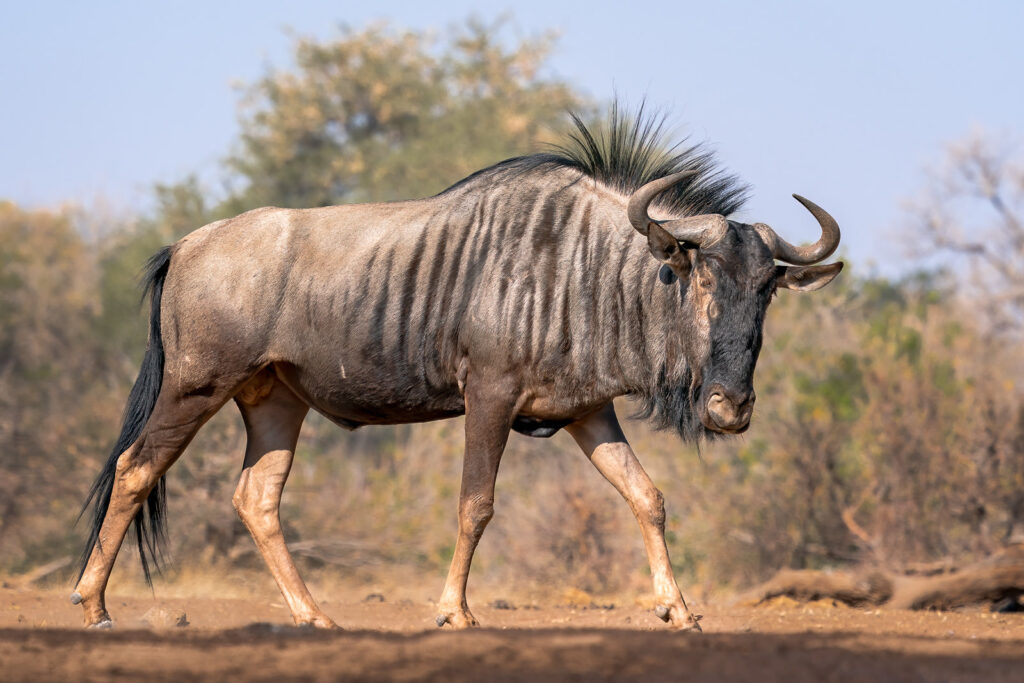
The Great Migration of Wildebeests
The yearly migration of wildebeest and other grazing herbivores inside the Serengeti-Mara ecosystem constitutes one of nature’s most remarkable phenomena. The diminishing vegetation on the short grass plains of northeastern Serengeti prompts this primitive migration. The horizon is populated by almost 1.5 million wildebeest, 200,000 zebras, and 500,000 Thompson’s gazelles, persistently pursued by Africa’s formidable predators.
The wildebeest use the pronounced seasonal circumstances, residing on the southeastern plains of the Serengeti during the wet season and migrating to the woodlands of northern Serengeti in the dry season. The wildebeest calve from January to March on the short grass plains. The migration seldom exhibits uniformity in timing and direction, as local factors affect grass growth. The Wildebeest may thus depart from the open plains earlier in certain years and linger in the northern woodlands for extended periods in others.
In October, over two million herbivores, including wildebeest and zebra, migrate from the northern hills to the southern plains, traversing the Mara and Kirawira Rivers. In April, they return northward to the west, crossing the Mara and Kirawira Rivers once more. This phenomenon is sometimes referred to as Circular Migration.
Kopjes
The Serengeti National Park would be markedly different without the stunning rock formations known as Kopjes (pronounced “Copy,” derived from the Dutch term meaning “Little Head”). Formally referred to as inselbergs, the captivating rounded formations of these ancient granite rocks arise from fissuring and erosion due to exposure to solar radiation, wind, and precipitation. They offer refuge and collect water for a diverse array of fauna and flora. Indeed, without such habitats, lions and other huge fauna would be incapable of enduring the arid season on the plains.
The primary kopje groups are: Barafu, Gol, Wogakurya, Maasai, Loliondo, and Simba.
The Moru kopjes are remarkable for their dimensions and abundance of indigenous species, including lions, leopards, servals, caracals, as well as rhinoceroses and elephants. The Gol and Barafu kopjes serve as crucial habitats for cheetahs and are utilised by wildebeests during the wet season.
Maasai and Loliondo Kopjes provide outlooks for resident Lion and Large Cobras can often be seen sunning themselves on the rocks. Simba Kopjes host a diverse array of fauna, including Giraffes, Baboons, and Lions, after which they are called.
The endangered species
The most notable endangered species in Serengeti National Park are the Black Rhino and Wild Dogs. The coordinated conservation initiatives have facilitated the presence of rhinos and wild dogs in Serengeti National Park, hence enhancing the value for people visiting the park.
Predators
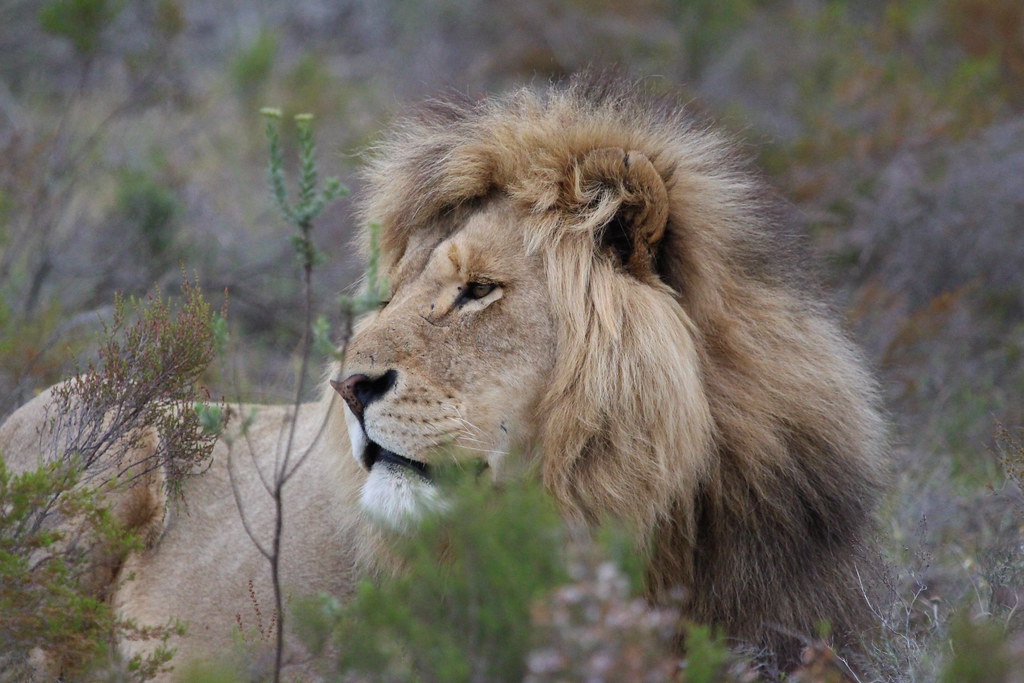
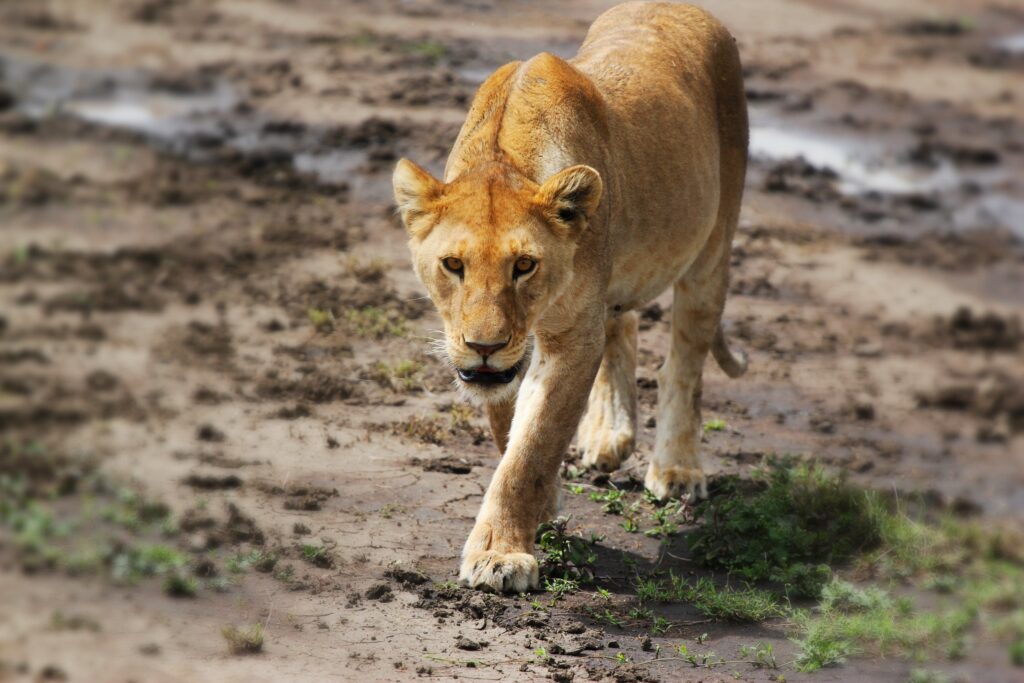
Lions and hyenas sustain one of the greatest densities of large predators in the Serengeti. Over 3,000 lions and 7,500 hyenas prey on the “moving feast” and resident herbivores. Other predators, including leopards, cheetahs, jackals, serval cats, and caracals, significantly contribute to the stability of the environment.
Southern Plains
The southern grass plains are some of the most fertile and nutritious natural grasslands globally. As the brief rains commence in November, the Wildebeest migrate southward from the Northern forests. They migrate to utilise the short grass plains, where the grasses are abundant in the essential minerals required for nurturing their calves.
In February and March, one of the most remarkable displays of wildlife transpires. For a duration of 3 to 4 weeks,
Ninety percent of mother wildebeests give birth, inundating the plains with thousands of neonate calves daily. The Wildebeest may inhabit the plains for several months, coexisting with Migratory Zebras, Thomson’s gazelles, and Elands, with resident species such as Grant’s gazelles, Topis, and Hartebeests.
The plains provide as a habitat for migratory avifauna, including the White Stork, Black Stork, Pallid Harrier, and Peregrine Falcon. Upon the cessation of rainfall, the plains desiccate swiftly, compelling the herds to travel westward and northward once more. Their exit in May/June signifies another remarkable event. The Wildebeest traverse in extensive, winding formations that extend for miles or congregate into herds numbering in the thousands. These are the scenes that epitomise “The Migration.” The southern plains are optimally visited from December to May, coinciding with the presence of migratory species.
Seronera Valley
One can observe numerous species of the Serengeti’s resident animals, including Giraffe, Buffalo, Topi, Hartebeest, Waterbuck, Impala, Reedbuck, Bushbuck, Dikdik, Hippopotamus, Crocodile, Warthog, and a variety of avian life. Significant prides of lions inhabit this area, alongside clans of spotted hyenas. The more elusive leopard is prevalent here, however more challenging to observe.
The river trails provide the optimal opportunity to observe a leopard, which typically reclines in the branches of acacia or sausage trees. Cheetahs, Servals, and Caracals are also observable here.
Cultural and Historical Landmarks
Serengeti National Park was initially populated by prehistoric hunters and gatherers, and more recently by pastoralists. The Maasai governed the plains. Early Maasai rock drawings are evident at Moru, along with a distinctive rock utilised for producing various sounds, referred to as the Gong Rock.
Biodiversity
In addition to the remarkable Wildebeest Migration, Serengeti National Park hosts up to 28 species of ungulates, contributing to the highest abundance and species variety of terrestrial mammals globally. The Park is renowned for its substantial population of larger World Predators, including over 3,000 Lions and more than 7,500 Hyenas. The Serengeti is home to over 530 bird species and numerous plant species. In winter, the park hosts several species of migratory birds from Africa, Europe, and Asia, as well as other small critters such as insects.
Retima Hippopotamus Pool
The pool has several hippopotamuses, crocodiles, and other species of ducks. The pool serves as a haven for hippos and crocodiles during dry seasons.
Accessible species
The Western Corridor, extending nearly to the coasts of Lake Victoria, is crucial for the preservation of old migration pathways. During a typical year, the migration occurs between June and July, departing from the arid southern plains. The migratory intermingle with several native herbivores, including Topi, Giraffe, and Buffalo. A resident population of wildebeest exists.
The Grumeti River, which sustains verdant riverine forests, starkly contrasts with the adjacent plains and is home to some of the Serengeti’s more distinctive species, including the Black and White Colobus Monkey. The presence of huge Nile Crocodiles in the river at Kirawira has rendered this place renowned. Reaching lengths of up to 6 meters and possessing very robust jaws, their existence is intricately connected to the great migration. With unexpected stealth and swiftness, they ambush the thirsty creatures as they hydrate at the river. The current abundance for the crocodiles will sustain them till the herds return next year.
Tourism Endeavours in Serengeti National Park
Serengeti National Park offers a range of activities for tourists, including game viewing, walking safaris, bird watching, balloon safaris, bush meals, excursions to cultural and historical sites, as well as filming and photographic safaris.
Safari Excursions
Game watching offers extensive and exceptional opportunities to observe animals across several areas of the park, with visitor circuits built to facilitate access to the attractions.
Walking Safaris
Exit cars, stretch, and walk to examine, touch, and perceive the authentic essence of the African splendour that is the Serengeti environment. Short and long walking safaris are tailored to accommodate all age groups.
Bird Watching
Birdwatching in Serengeti National area is rewarding, since the area, a veritable avian paradise, hosts over 540 bird species, including raptors, waterfowl, and songbirds, both resident and migratory from Europe, the Afrotropic region, and beyond.
Hot Air Balloon Expeditions,
Experience a bird’s-eye perspective in a balloon while appreciating the fauna and natural surroundings of the park.
Bush Cuisine
Bush breakfast, lunch, and dinner provide an authentic evaluation of wildness in a distinctive manner.
Filming and Photography Safaris
The Serengeti offers opportunities for filming and photographing remarkable creatures in their natural environment. Carry with you recollections of the exquisite natural beauty found in this part of the world.
Outdoor dining
Serengeti National Park features several picnic areas and viewpoints. These are optimal areas designated for taking breaks and stretching after prolonged trips. They are also great locations for consuming packed meals on game drives. Picnic locations in the Serengeti include MaweMeupe, Retima, Kirawira A, Seronera Visitors’ Center, and all park access points.